Points Rummy Scoring: A Worked Example for New Players
Points rummy is easier to understand when scoring is separated from the excitement of a live hand. The exact value of a point and the platform’s fee or prize rules must be checked at the table, but the basic calculation can be illustrated with a simple example.
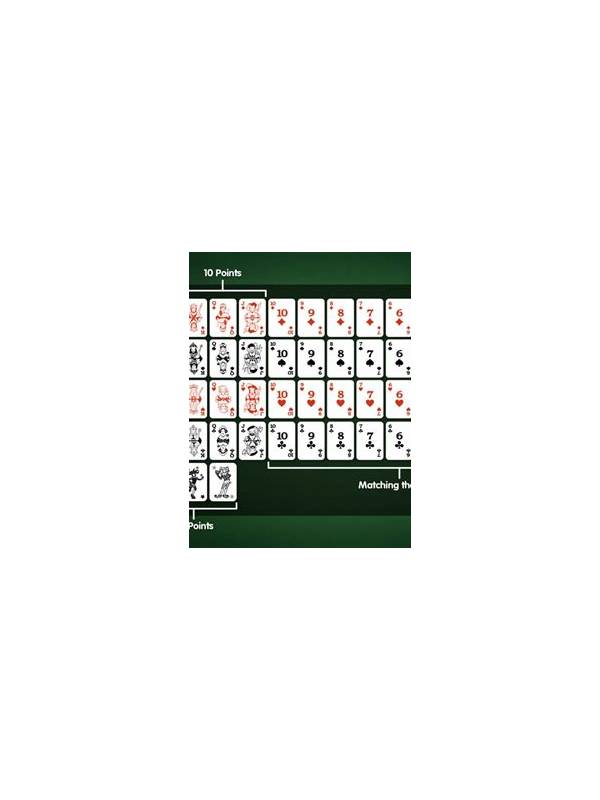
Imagine a player has made the required valid combinations and declares. The other player has an ungrouped ten, queen, and king, plus a few cards that form a partial sequence. Face cards commonly carry ten points each, while number cards usually carry their printed value; however, the rules of the selected platform control the calculation. The opponent’s penalty is based on the unmatched cards after valid groups are identified, subject to any format cap.
The winner does not usually receive points for the cards in the opponent’s completed groups. That is why arranging cards correctly matters before counting. If the opponent can move a card from an incomplete idea into a valid set or sequence, the penalty may fall. A declaration should therefore be checked carefully rather than made simply because several cards look connected.
Suppose the unmatched cards total 28 points and the table value is one unit per point. The gross result is 28 units under this hypothetical rule. A platform may cap the result at a maximum value or apply a fee, so the displayed settlement may differ. If the declaration is invalid, the result can be reversed or penalized according to the format.
For your own review, write down the groups first, circle unmatched cards, and then add their values. Do not mix a bonus, entry amount, and card penalty into one mental number. This separation makes the rules easier to audit and helps identify whether a surprise came from scoring, a fee, or a declaration condition.
Always read the current table help before entering a paid game. Examples teach the method, but only the published rules determine the actual result. One more useful habit is to distinguish a provisional hand review from the platform’s final result. During play, you may estimate the penalty to choose a discard, but the official settlement may include a cap, a special drop rule, or a declared bonus. If the displayed result seems inconsistent, take a screenshot only if it contains no sensitive information, note the table identifier, and use official support. Avoid arguing from a remembered number when the written rule is available.
Related Post

Rummy Turn Checklist: Draw, Recheck, Discard
A three-stage turn routine keeps rummy decisions consistent when the table moves quickly. [...]
Rummy Comparison: Early-Stage and Late-Stage Decision Priorities
Early turns reward information and flexibility, while late turns usually reward clear risk reduction. [...]