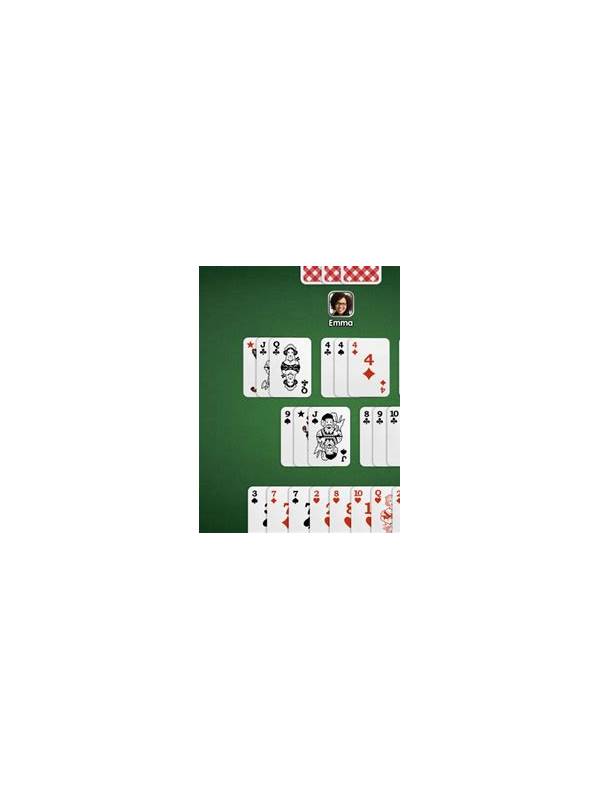
Rummy Guide: Create a Personal Late-Hand Routine

The final part of a rummy hand deserves a routine because pressure changes attention. Players may overlook an incomplete group, forget a joker rule, or discard a card that carries unnecessary penalty. A personal late-hand routine makes the important checks automatic.
Begin by identifying the trigger. It could be a low stock count, an opponent’s visible progress, or a hand that is close to a valid declaration. Once the trigger appears, stop treating every card as an equal long-term investment. Shift toward legality, completion, and risk reduction.
Use a three-pass review. In the first pass, inspect the required structures for the variant: pure sequence, additional sequence, sets, or any other rule. In the second, test each group card by card. Make sure no joker or flexible card is being counted in an invalid way. In the third, look at ungrouped cards and compare their penalty, improvement potential, and effect on the next discard.
Before declaring, count the cards and verify the arrangement from the beginning. Do not rely on a quick visual impression, especially on a small screen. If the interface provides a confirmation step, read it. A routine may take a few extra seconds, but a rushed declaration can erase otherwise good work.
If you are not ready to declare, choose an action with a clear purpose. Reduce a high penalty, preserve a legal route, or deny yourself a speculative distraction. Avoid making a dramatic move merely because the hand feels urgent. The goal is controlled improvement within the remaining opportunities.
After the hand, note whether the routine was completed and which check was hardest. Adjust the routine only after repeated evidence; changing it after every result makes it difficult to learn. Keep the sequence short enough to remember: trigger, legality, group verification, penalty review, declaration check. A calm late-hand process cannot control the draw, but it can reduce preventable errors.
Write the routine in your own words and keep it short enough to recall under pressure. You might use “requirement, groups, loose cards, declaration” as a four-word prompt. Practice in low-pressure deals before relying on it competitively. If the interface changes, confirm where information appears. A routine should support attention, not replace reading the current hand. When the hand is unusual, slow down and return to the rules. Accurate adaptation matters more than mechanically following an outdated checklist. A routine is strongest when it remains simple, current, and connected to the actual rules of the table.
Related Post
Rummy Guide: Compare Two Possible Sequences Before Drawing
A quick comparison of competing sequence ideas can prevent a hand from drifting into unnecessary [...]
Rummy Rule Variations: Confirm Details Before You Play
Checking small rule differences early can prevent avoidable disputes about groups, turns, and scoring. [...]