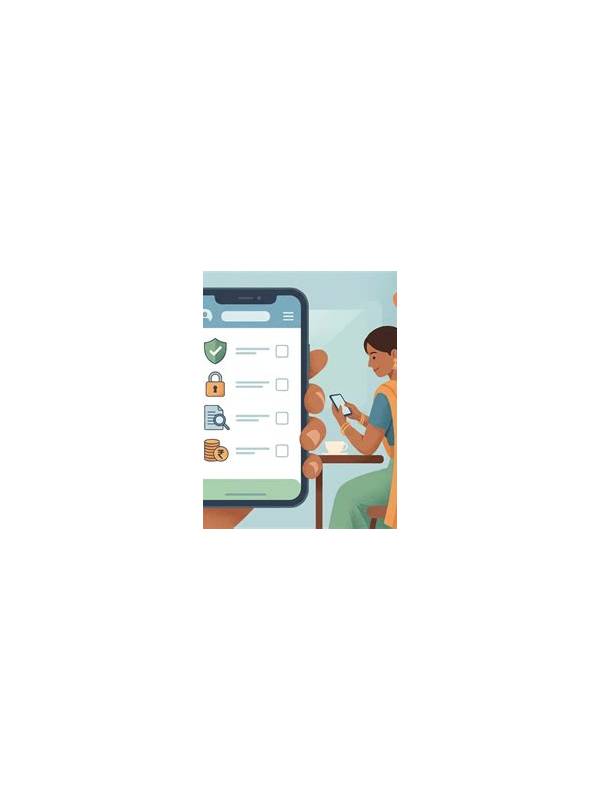
Rummy Safety: Set a Clear Break After a Difficult Hand

A difficult hand can change the way you approach the next one. Frustration may encourage rushed decisions, while a dramatic win can create overconfidence. A clear break separates the result you just experienced from the next choice and protects a planned session boundary.
Choose the break rule before playing. It might be a five-minute pause after any hand with a large score swing, after two consecutive losses, or whenever you notice physical signs of tension. The rule should apply to wins and losses when possible, because excitement can also reduce attention.
During the break, leave the table or close the app. Do not use the pause to search for a larger stake or chase a result. Drink water, stretch, and note one factual observation if you want to review the hand later. Avoid making a verdict while emotions are high. “I felt rushed on the final discard” is enough for now.
Return only after checking three conditions: you still want to play, you remain within the time and spending limit, and your attention is adequate. If any answer is no, end the session. A break is not a test of toughness; it is a control that keeps recreation aligned with your plan.
If the same emotional pattern repeats, make the boundary stronger. Shorten sessions, switch to free practice, or take a longer pause. Use platform cooling-off or limit tools when available. Never borrow money or use essential funds to continue. The result of one hand cannot be repaired reliably by forcing another.
A safe break is simple and pre-decided. It gives your reasoning time to reset and makes stopping normal rather than dramatic. Good session management is part of responsible play, regardless of how skilled or experienced you are.
Tell yourself what the break is for: restoring attention, checking boundaries, or deciding whether to stop. This prevents a pause from becoming a negotiation with the previous result. If you share a device or account, secure it before stepping away. Never leave payment pages or personal information open. When you return, begin with the same checks used at the start of a session. A break works best when it creates a genuine reset rather than a short delay before repeating rushed behavior. If you cannot return calmly, ending the session is a complete result, not an unfinished obligation. Stopping protects the boundary you set before the hand and leaves room to return another day.
Related Post
Rummy Disconnect Recovery: What to Do After a Network Drop
A calm recovery checklist can protect your account and clarify what happened after a connection [...]
Rummy FAQ: What Makes a Draw Worth Revisiting?
A draw deserves reconsideration when its role, timing, and alternatives have changed—not merely because it [...]