Rummy FAQ: What Is a Decision Boundary?
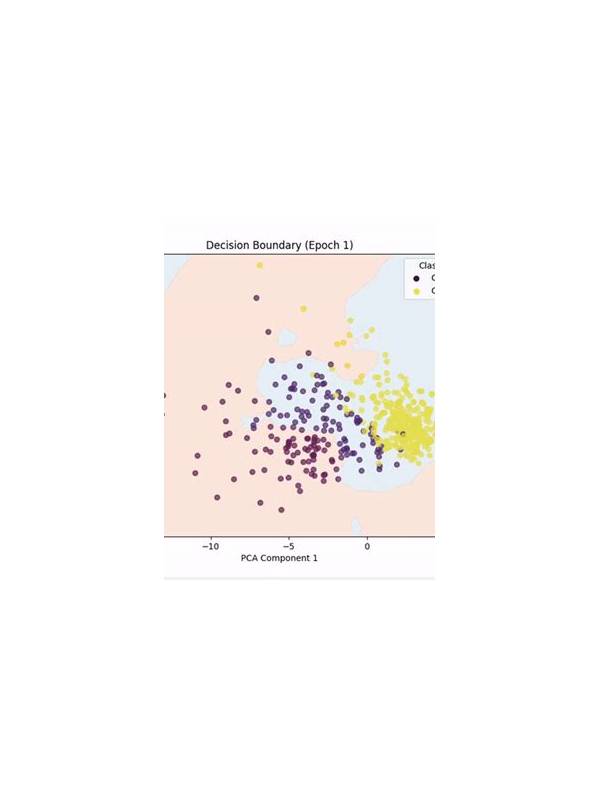
A decision boundary is a pre-chosen point at which you change your plan. In rummy, it can be the number of turns you will spend looking for a missing card, the maximum points you will keep exposed, or the point at which a flexible group is no longer worth protecting. The idea is simple: make the condition visible before the hand becomes emotional.
Why is that useful? A promising pair can feel more valuable after every unsuccessful draw because you have already invested attention in it. Without a boundary, that feeling can lead to waiting longer than the hand justifies. A boundary turns the question from “Will the next card help?” into “Has my stated condition been met?”
To set one, describe the plan in a short sentence. For example, you might keep two connected cards until you have taken two more turns, provided that doing so does not leave a high-point single exposed. This sentence contains a time limit and a safety condition. If either condition fails, review the hand instead of automatically continuing.
Boundaries can also apply to a nearly complete sequence. Suppose a route needs one specific rank and has no useful alternative. You could decide that the route must either gain a second connection or be released after the next review. The boundary does not predict the draw. It only prevents one narrow possibility from controlling every later decision.
Use boundaries flexibly when new information changes the hand. If the open pile reveals a card that creates two routes, reassess the whole structure. A boundary is not a promise to discard at a particular moment regardless of evidence. It is a reminder to stop and compare again. Good boundaries create a pause; they do not replace judgment.
For practice, write down three boundaries before a hand: a waiting boundary, a point-risk boundary, and a clarity boundary. After the hand, record whether each one helped you notice a change. Over time, you can adjust the numbers to match your pace and the variant’s rules. The goal is not perfect forecasting. It is to keep a small plan from becoming an invisible commitment. Keep the wording observable. “I feel unlucky” is not a boundary, while “two turns without a second connection” is. Observable conditions make the review fair and make it easier to compare decisions across different hands.
Related Post
Rummy Strategy: Use the Discard Pile as a Record
Careful observation of the discard pile can improve choices while avoiding overconfident predictions about hidden [...]
Rummy Tips: Track Unresolved Cards Without Overcounting
Track the cards that still need work while keeping your information estimates modest and realistic. [...]