Rummy Strategy: Use the Discard Pile as a Record
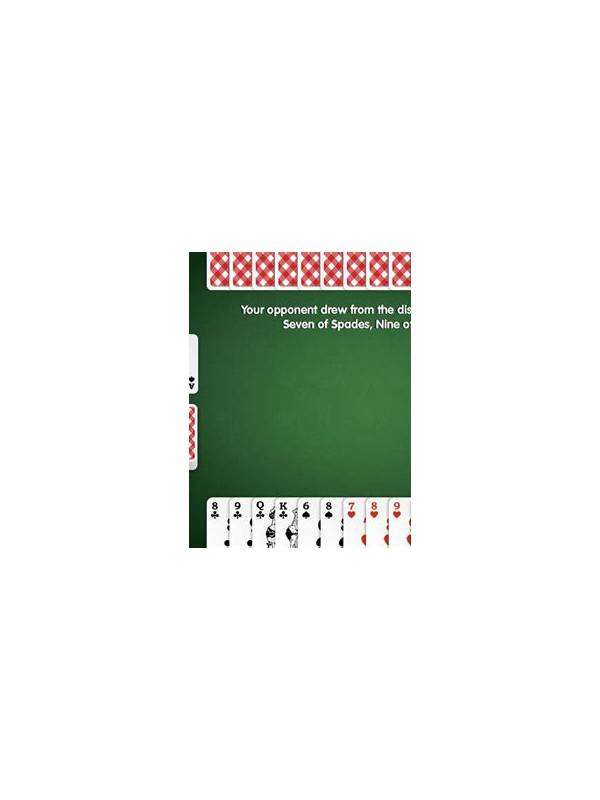
The discard pile is a record of visible information, not a crystal ball. It can show which cards are unlikely to be immediately available and which ranks or suits have drawn attention. Used carefully, it helps you compare plans without pretending to know opponents’ hands.
Begin by noticing cards that directly affect your own combinations. If several needed connectors have appeared, reduce the appeal of a narrow plan. If a card you do not need is repeatedly discarded, it may be less useful to others, but that is not guaranteed. Different players can hold different plans.
Track patterns in broad categories rather than trying to memorize everything. Note a suit with many visible cards, a rank that appears often, or a recently discarded card that would complete your group. Do not let observation slow a timed turn. A quick mental summary is enough for most hands.
The pile can also help with discard choices. Avoid throwing a card that obviously completes a common sequence if another candidate has similar point and flexibility characteristics. However, do not keep a dangerous card forever just to prevent an opponent from using it. Your own hand remains the primary responsibility.
Recheck the record after each draw. A new discard can change what is visible, but it cannot reveal the cards still held by other players. Use words such as “less likely” rather than “impossible.” This keeps your decisions calibrated.
Practice with a note sheet in a free round. After the hand, compare your observations with the cards that were actually shown. The aim is to learn which clues were useful and which were coincidence. Good discard-pile reading narrows choices; it does not promise a particular result.
Avoid turning the pile into a memory contest. If a detail is difficult to recall, return to the broad decision: is this plan narrow, expensive, or still flexible? The best observation is the one that changes a sensible choice. When no visible clue changes the comparison, follow your normal discard filter and preserve attention for the next turn.
You can use a simple three-column note in practice: card category, likely effect on your plan, and confidence. Mark confidence as low when an observation could have several explanations. This prevents a single discard from becoming an elaborate story. With repetition, you will learn which visible clues genuinely improve your choices.
When the pile is long, prioritize recent cards and cards that directly affect your plan. Older information can still matter, but it should not consume the attention needed for the current turn. The purpose of observation is a better decision now, not a perfect reconstruction of every discard.
Related Post
Rummy FAQ: Should You Draw From the Discard Pile Twice?
The right answer depends on the variant rules, the visible information, and whether the card [...]
Rummy How-To: Audit a Discard Before Confirming It
A compact discard audit checks hand value, opponent information, and your next decision before you [...]