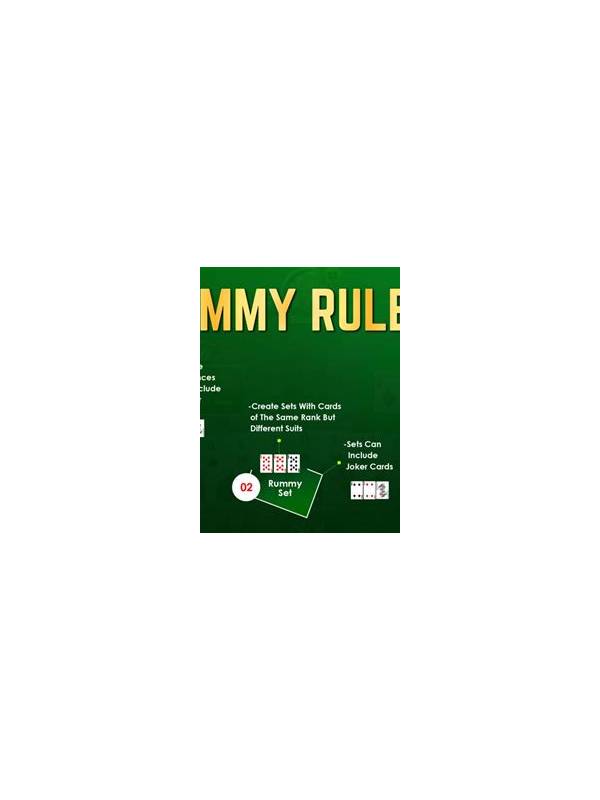
Rummy Guide: Check Whether a Discard Improves Opponent Options
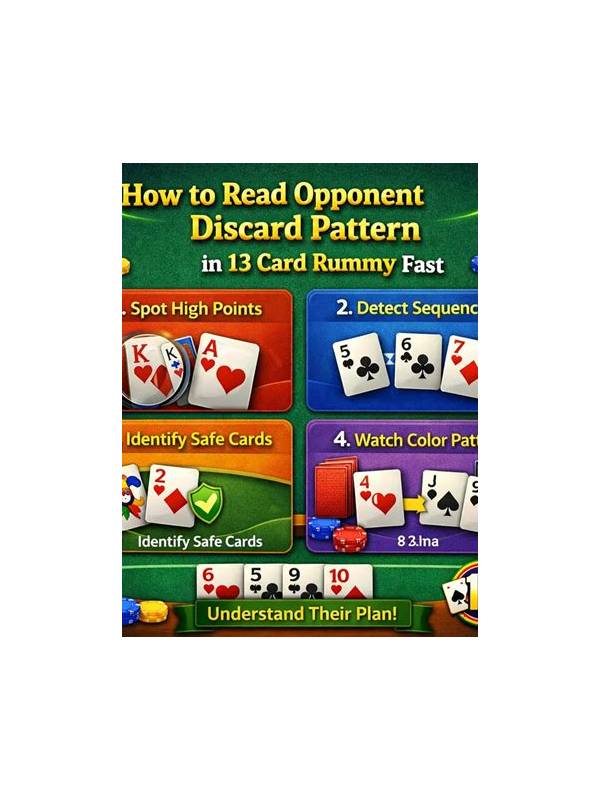
Before discarding a card, you can ask a narrow question: does this release a card that is likely to improve an opponent’s visible options? The aim is not to read another player’s mind. It is to avoid ignoring information that is already on the table.
First, inspect the open discard history if the format makes it visible. Cards that have already been rejected by an opponent may be less attractive to them, though not necessarily worthless. A player can change plans, and a card ignored earlier may become useful after a new draw. Treat history as evidence with limited weight.
Next, compare the card with nearby ranks and matching suits. A middle card can connect in more than one direction, while an isolated extreme card may have fewer uses. However, a card’s usefulness depends on what has already appeared. If adjacent cards are visible or have been discarded, the apparent connection may be weaker than its printed pattern suggests.
Finally, check your own cost. Do not keep a card solely to deny a hypothetical opponent if it is damaging your legal structure or carrying unnecessary points. Opponent awareness is a tiebreaker, not a replacement for building your hand. When two discards are similar for you, choose the one that offers less obvious help based on public information.
The check should take seconds. Ask: what does this card connect to, has that evidence appeared, and is protecting it worth weakening my route? If the answer is unclear, make the decision using your own hand’s priorities and note the uncertainty for later review.
Good table awareness is modest. It recognizes public clues without claiming certainty. A discard can be safe for your hand and still useful to someone else, so compare both effects before releasing it.
Avoid making personal assumptions about an opponent from one action. A player may take a card for a reason you cannot see, or may be experimenting with a route that is not obvious. Keep your observation tied to cards and public actions. This makes the check fairer and keeps your own attention on decisions you can actually control. If the information is too thin to support a conclusion, label it as uncertain and make the discard using your own structure rather than inventing a story about the table.
Related Post
Rummy Account Security Habits for Shared Devices
Essential account and privacy checks for people who play rummy on a shared phone or [...]
Rummy Guide: Build a Clean Endgame From the Middle
A practical way to preserve useful options while turning a developing hand into a reliable [...]