Rummy Guide: Use a Two-Layer Plan for Uncertain Hands
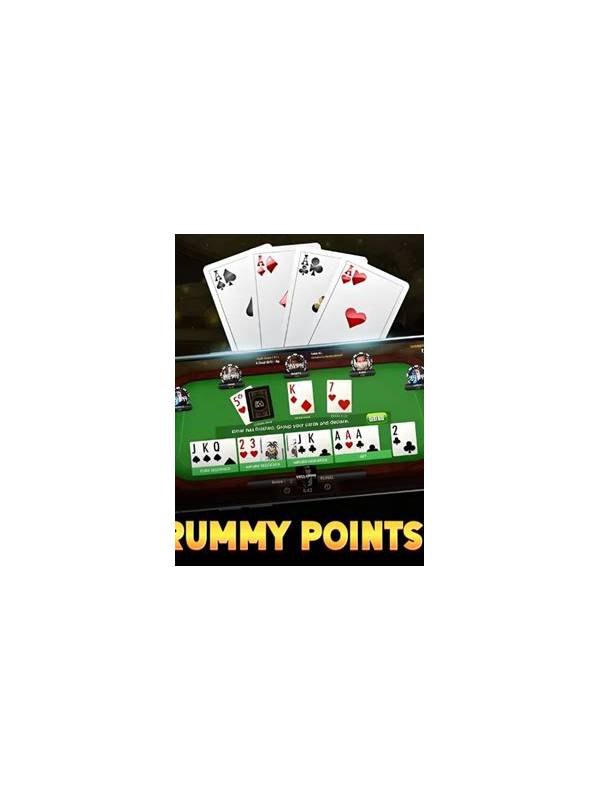
Uncertain hands are common in rummy. You may have a pair that could become a sequence, a middle card that fits several groups, or a joker that makes multiple plans possible. The mistake is treating one attractive idea as a guarantee. A two-layer plan gives you a primary route and a safe fallback, so every draw has a purpose without locking the whole hand to one unlikely card.
Start by naming the primary route in plain language. It might be a same-suit sequence, a set of equal ranks, or a way to connect two existing groups. Do not describe it as “I need anything good.” Write down the exact missing requirement. If a route needs the seven or eight of a suit, you can judge its quality more honestly than if you simply call it promising.
Next, build the fallback from cards you already hold. A fallback should require fewer specific cards, preserve a legal grouping, or reduce the penalty of a failed draw. For example, if two connected cards are waiting for one narrow extension, keep an unrelated low-value pair available as a possible set. The fallback is not necessarily the strongest final arrangement; it is the route that prevents one failed draw from leaving the hand directionless.
The important rule is to review both layers after every meaningful action. A card from the discard pile may improve the primary route while removing a useful fallback. A new card may make the fallback stronger than the original idea. Ask three questions: Did the required card become more or less likely? Did the fallback gain a new connection? Which held card now has the highest cost if neither route develops?
This review also keeps the hand understandable when the table moves quickly and several possible cards appear in succession.
Avoid keeping two plans that secretly depend on the same narrow card. That is only one plan described twice. Also avoid a fallback that uses every flexible card, because it may leave no room to respond. Good flexibility comes from different requirements, not from a long list of wishes.
Near the end of a hand, simplify. If the primary route has not improved after several chances, lower its priority and protect the fallback. A clear decision is better than emotional attachment to an earlier pattern. The two-layer method does not promise a win, but it makes uncertainty visible, preserves legal options, and turns each turn into a measured choice.
Related Post
Rummy Guide: Map Your Hand Before Choosing a Discard
A quick hand map helps you compare completed groups, useful connectors, and expensive loose cards [...]
Rummy Safety: Confirm Withdrawal Rules Before Depositing
Checking withdrawal conditions before depositing can prevent avoidable surprises about identity checks, limits, and timing. [...]