Rummy Guide: Map Your Hand Before Choosing a Discard
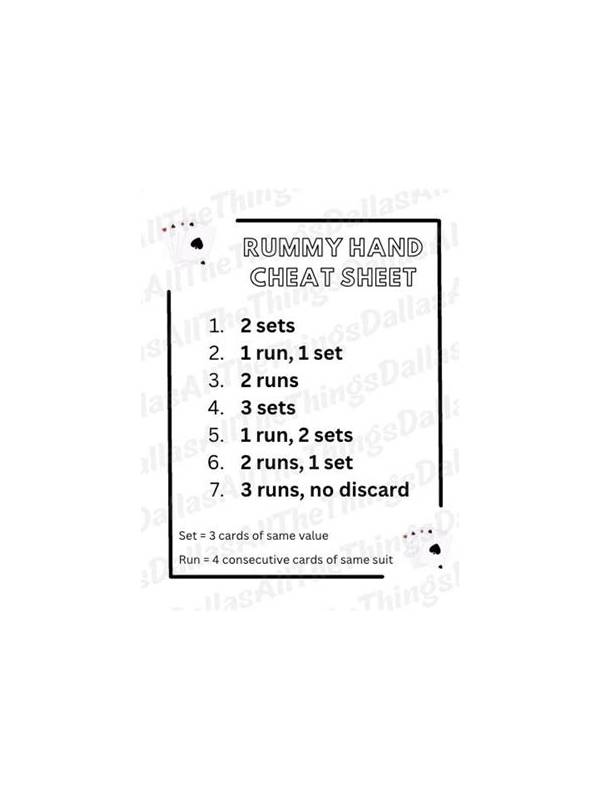
Mapping a rummy hand is a small planning habit that prevents impulsive discards. The goal is not to predict the entire round. It is to create a clear picture of what your cards can do right now, then choose the discard that leaves the most useful future options.
Start by separating completed groups from unfinished ideas. A completed sequence is already doing a job, so mark it as protected. Next, identify pairs, connected runs, and cards that could fit in more than one arrangement. Finally, place isolated cards in a separate mental column. This three-part map is more informative than simply sorting by suit or rank.
Give each unfinished group a simple label: nearly complete, flexible, or speculative. A pair such as 6-7 in one suit is nearly complete if a neighboring card would help. A middle card that can connect on either side is flexible. Two distant cards with no immediate bridge are speculative. Labels keep attractive but unlikely plans from receiving too much attention.
Now examine the discard candidates. Ask three questions. What points would remain if this card stayed? How many useful cards could join it? Could discarding it reveal information about the opponent’s needs? High-value isolated cards often deserve early scrutiny, but a low card can also be poor if it blocks a flexible arrangement. Value is about utility, not only face value.
Before committing, compare the best two candidates rather than searching for a perfect move. If one discard removes a speculative pair while preserving a flexible connector, it is usually easier to justify. If both choices are close, prefer the one that leaves your next draw easier to interpret. Clearer choices reduce the chance of chasing every new card.
Repeat the map after each draw, because the hand’s structure changes quickly. Keep completed groups stable, update unfinished labels, and reassess isolated cards. This routine takes only a few seconds and creates a repeatable decision process for casual or competitive play. It also makes post-round review more useful: you can see whether a mistake came from misreading a group, overvaluing a card, or ignoring an expensive loose card.
If the hand is displayed digitally, use a consistent visual order so the map remains readable. Do not let animations or changing card positions rush the decision. In a physical game, place cards with enough separation to see groups without exposing private information to others. A clear layout supports clear thinking, but the layout itself is only a tool; the evidence behind each grouping still matters.
Related Post
Rummy Tips: Use the Discard Pile as a Timeline
Reading the discard pile as a sequence of decisions can reveal useful information without requiring [...]
Rummy Endgame Choice: Simplify or Preserve Flexibility
Decide when a nearly finished rummy hand benefits more from simplicity than from another ambitious [...]