Rummy Safety: Create a Spending Pause Before Play
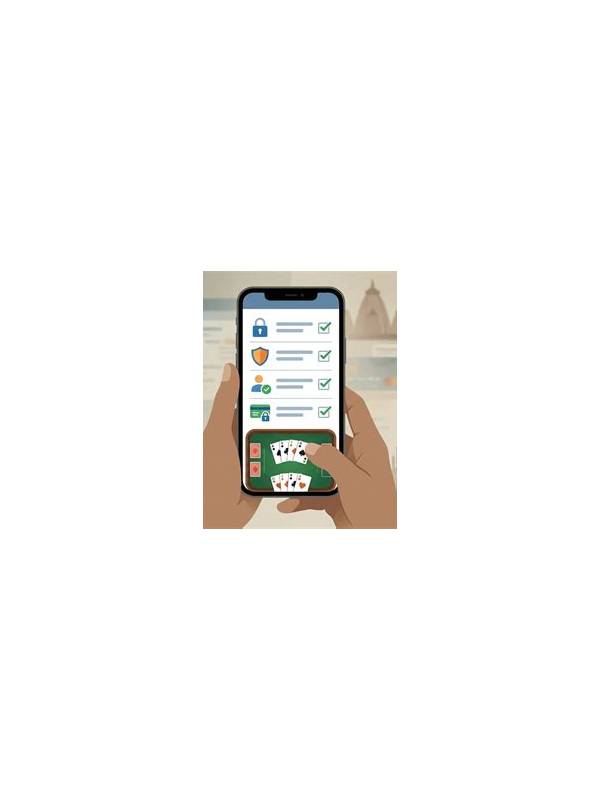
A spending pause is a simple boundary you set before opening a rummy app or joining a table. It gives you time to decide whether any money should be involved while your attention is calm. The pause is especially useful when a platform offers deposits, bonuses, or quick re-entry after a loss, because those prompts can make an immediate decision feel more urgent than it is.
Start with a clear limit. Decide the maximum amount and time you are willing to use for the session, and treat the amount as entertainment spending rather than expected income. If losing that amount would affect essentials, bills, or another commitment, choose a free mode or skip the session. A limit is meaningful only when it protects necessities first.
Add a waiting period before any deposit or increase. The period might be ten minutes, an hour, or until the next day; the exact length is less important than having a rule that applies when emotions are strong. During the pause, close the table, review your budget, and ask whether the proposed amount was planned before the session. If it was created by a recent loss, it is a signal to stop rather than a reason to continue.
Make the boundary practical. Use available app limits, deposit controls, or banking safeguards when they are offered. Keep payment details out of easy reach if that helps you follow the plan. Do not borrow money, use funds assigned to household needs, or treat a promotional balance as proof that more spending is safe. Read the platform’s terms and local requirements before using any real-money feature.
Set an exit condition as well as a spending limit. You can stop when the time ends, when the planned amount is used, or when you notice hurried decisions and frustration. A break is not a failure of strategy. It is a way to prevent a temporary feeling from making a financial decision for you. If play stops feeling optional, step away and seek support from someone you trust or an appropriate local help service.
Record the result briefly after the pause. Note whether you followed the limit, whether the session affected sleep or responsibilities, and whether the activity felt recreational. Do not use the note to criticize yourself; use it to improve the boundary. If the same limit is repeatedly difficult to keep, strengthen the pause or avoid paid play altogether. Planning before play keeps the decision yours, even when the table becomes stressful.
Related Post
Rummy Account Privacy: A Checklist for Notifications and Screenshots
Reduce accidental exposure of account details by reviewing notifications, screenshots, and shared-device habits. [...]
Rummy How-To: Build a Simple Hand State Map
A hand state map records what is confirmed, developing, and expendable so each draw starts [...]