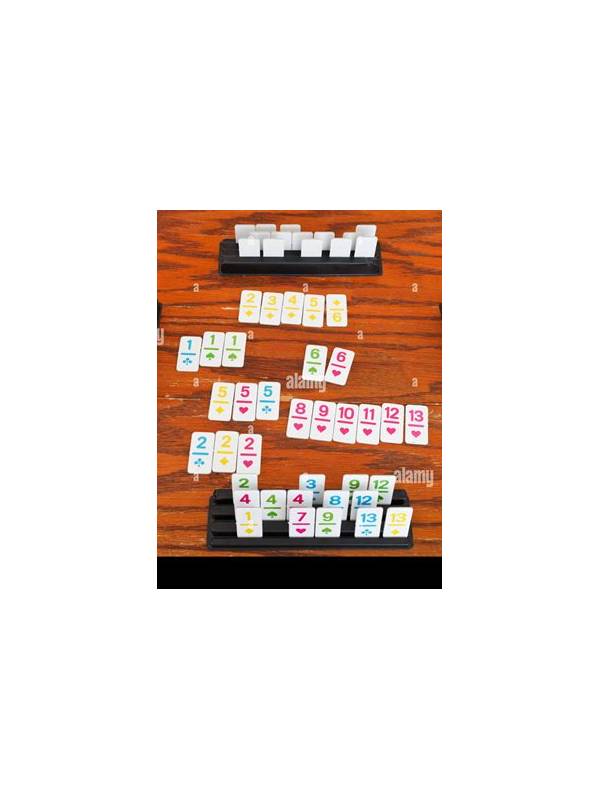
Rummy FAQ: When Is a Shared Connector Worth Keeping?
A card that helps two groups is often called flexible, but flexibility by itself does not make it valuable. The card may be a bridge between two possible sequences, or it may complete two different sets depending on what you draw next. The right decision depends on how many legal outcomes are real, how soon you need one, and what the card prevents you from doing.
First, describe both groups precisely. If the card is a middle rank in one suit, identify the neighboring cards required on each side. If it belongs to a possible set, identify the matching ranks and the cards already visible. This prevents vague statements such as “it could fit anywhere.” A group with several specific missing cards is not equally strong to one that needs a single ordinary connection.
Next, check whether the two groups compete for the same resources. Two sequence ideas may both need the same adjacent card, which means the apparent flexibility is smaller than it looks. They may also require you to keep several unconnected cards, increasing the cost of waiting. Count independent routes rather than simply counting group names.
Timing matters. Early in a hand, a genuinely flexible card can be worth keeping because it buys time while information develops. Later, a card that helps two incomplete groups may be a liability if neither group is close to legal completion. At that stage, favor the route with the clearest requirement and release the card that has the weakest realistic future.
Also compare the card with your other holdings. Keeping a flexible middle card may force you to hold a high-value singleton, or it may prevent you from protecting a pure sequence. A card is not evaluated in isolation; its opportunity cost is the better discard you cannot make because you kept it.
A useful test is the next-draw test. Ask, “If my next draw is unrelated, which plan survives?” Then ask, “If I receive one card for only one of these groups, can I immediately reorganize legally?” If both answers are poor, the card is more hopeful than useful. If one route survives and the other can be abandoned cleanly, the flexibility is meaningful.
Keep the card when it supports independent, realistic routes and does not trap the rest of the hand. Release it when the groups share a narrow requirement, consume too many slots, or remain incomplete after their best opportunities pass. The goal is not to preserve every possibility; it is to preserve the possibilities that can still become legal groups.
Related Post
Rummy Tips: Use a Two-Column Discard Review
A quick two-column method can make discard choices more consistent and easier to explain. [...]
Rummy Safety: Set a Stop Rule Before You Start
A pre-session stop rule turns responsible play into a clear action instead of a last-minute [...]