Rummy Discard Queue: How to Avoid Last-Second Choices
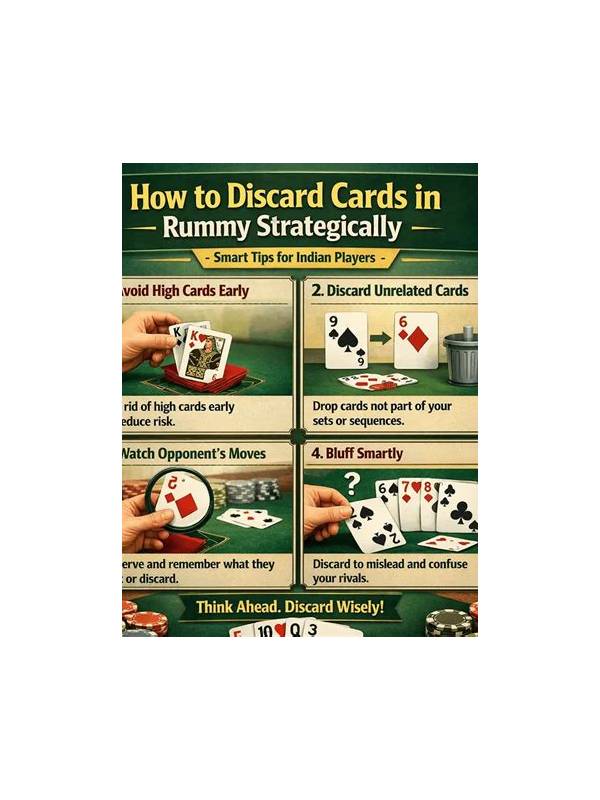
A discard queue is a short, changing list of cards that could leave your hand. It is not a promise to discard the first card on the list. Its value is preparation: you can spend the turn evaluating new evidence instead of searching from scratch through thirteen cards. A good queue contains two or three candidates and a reason for each.
Build the queue after sorting your hand. Put isolated high-point cards near the front when they have no credible connection. Add cards from duplicate ranks only when the remaining copy or set route is weak. Keep a bridge card out of the queue if it supports two realistic groups. For every candidate, write a short reason such as “no current route” or “duplicate has stronger use.”
The queue must be revised after the draw. If the new card completes a group, remove cards that were supporting that group. If it creates a new route, compare the route with the cards already on the queue. Do not protect a candidate simply because you wrote it down earlier. The queue is a tool for updating, not a record of loyalty to an old plan.
Use a tie-breaker when two cards look similar. Prefer the card with fewer future uses, higher penalty, or greater risk of helping an opponent if the game makes that information relevant. However, do not discard a card solely because it is high or low. Structure comes first. A ten that completes a safe set may be better than a low card that is blocking a flexible sequence.
Before confirming the discard, make a final two-second check: does this card appear in any legal group I can already see, and does the remaining hand still contain a viable route? If the answer changes, rebuild the queue. After the hand, review the first queue entry and the final discard. The difference can show whether you failed to update, misunderstood a rule, or simply faced an unavoidable uncertain choice.
Keep the queue short because a long list creates another form of clutter. Two candidates are often enough: one with the highest immediate cost and one whose removal preserves the best structure. If a new draw changes both, rebuild from the beginning. The habit is valuable even when the final choice remains close, because it gives you a clear explanation for a decision made under time pressure.
That explanation is useful even when the outcome is disappointing.
Related Post
Rummy FAQ: When Does Sorting Become Avoidance?
Find out when sorting creates clarity and when it has become a substitute for making [...]
Rummy Card Memory Exercise for Sharper Discard-Pile Awareness
Try a short offline exercise to improve recall of visible cards without pretending to know [...]