Rummy Card Memory Exercise for Sharper Discard-Pile Awareness
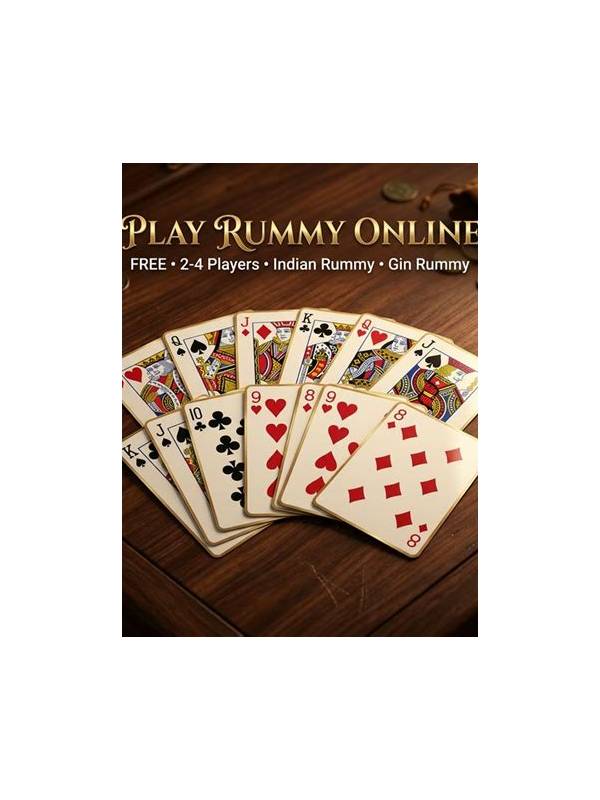
Remembering every card in an online rummy game is unrealistic, but recalling a few visible cards can improve your decisions. A simple practice exercise develops useful attention without encouraging overconfidence about what opponents hold.
Use a standard deck and deal a small sample hand. Place several cards face up as a discard pile, then cover them. Give yourself ten seconds to name the suits and ranks you noticed. Start with only three cards. The objective is accurate, calm recall, not speed. Increase the number gradually only when accuracy remains high.
A second exercise focuses on relevance. Show five cards, but ask yourself to remember only the cards that could affect one target sequence, such as a run in hearts. After covering them, recall the relevant ranks and ignore the rest. This mirrors real play, where useful attention is selective rather than unlimited.
During an actual hand, use categories instead of a complete list. Notice whether a needed connector has already appeared, whether several cards from one suit are being discarded, and whether a repeated rank is visible. Treat these observations as evidence with uncertainty. Another player may hold the missing copy, or the game may use duplicate decks.
Avoid staring at the discard pile so intensely that you neglect your own hand. Make your scan after drawing and before choosing a discard. Ask whether the visible information changes your two best plans. If it does not, return attention to legality and card value.
Practice for five minutes and record accuracy, not imagined predictions. The skill you want is better observation: remembering enough to avoid chasing an exhausted route and noticing a useful card when it appears. Memory is one input to a decision, never a guarantee of what the next draw will be. You can add suit symbols or rank abbreviations to a practice sheet and test yourself with shuffled examples. Stop when recall becomes tiring; fatigue trains careless guesses. The aim is a small improvement in attention that supports legal, measured choices, not a claim that memory can reveal hidden hands. Keep the exercise separate from real-money play. Better recall should improve observation, never encourage larger stakes. Another useful variation is delayed recall. View a small discard sequence, solve a harmless sorting problem, and then list the cards you saw. This tests whether attention survives a change of task. Keep the exercise light and repeatable. The point is to notice relevant public information more reliably, not to create a perfect record.
Related Post
Rummy Strategy: Separate Building Cards From Finishing Cards
Sorting cards by their role clarifies which draws deserve patience and which deserve immediate action. [...]
Rummy Safety: Treat Promotions as Optional Information
Promotions should be evaluated as optional offers with conditions, not as reasons to hurry into [...]