Rummy Jokers: A Method for Testing Substitution Cost
A joker looks flexible because it can substitute for another card, but flexibility has a cost. Using it in one group may remove a useful repair option elsewhere. The right question is not simply “Can this joker complete a group?” Ask which alternative use you are giving up and whether the completed group is important enough to justify that cost.
List the joker’s plausible jobs before committing it. It might complete a pure-sequence substitute if the rules allow it, extend a sequence, complete a set, or remain available for a stronger future route. Remove any job that depends on an illegal arrangement. Then compare the groups by certainty and value. A confirmed group that secures a required condition usually deserves priority over a speculative improvement.
Watch for duplicate use in your mental layout. A joker can make two imagined groups look complete even though you possess only one physical joker. Mark it clearly in your arrangement. If you use the joker, recheck every remaining group and count each card once. This simple inventory prevents a common declaration error.
Timing matters. Early in a hand, keeping a joker may preserve several routes while you gather information. Later, the cost of waiting may rise if the hand is nearly complete or the table is moving toward an ending. Compare the benefit of immediate legal progress with the value of one more draw. Do not postpone a secure improvement merely because a more exciting possibility exists.
After a hand, review the first moment when the joker became committed. Was the choice based on a rule, a confirmed structure, or fear of wasting it? A useful joker decision leaves a clear explanation. If you cannot state what problem it solved and what risk it accepted, the card probably needed another comparison before being placed.
One useful test is to imagine removing the joker from the proposed group. What exact gap remains, and how many alternative cards could fill it? Then perform the same test for the next-best group. A joker used where the gap is narrow may have higher practical value than one used in a group that was already easy to complete. This does not replace the rules; it simply makes opportunity cost visible.
Write the chosen use in one sentence before you commit it, especially when several groups appear nearly complete.
That sentence should name both the benefit and the sacrificed alternative. If you cannot name the alternative, keep the joker uncommitted until the hand provides clearer evidence.
Related Post
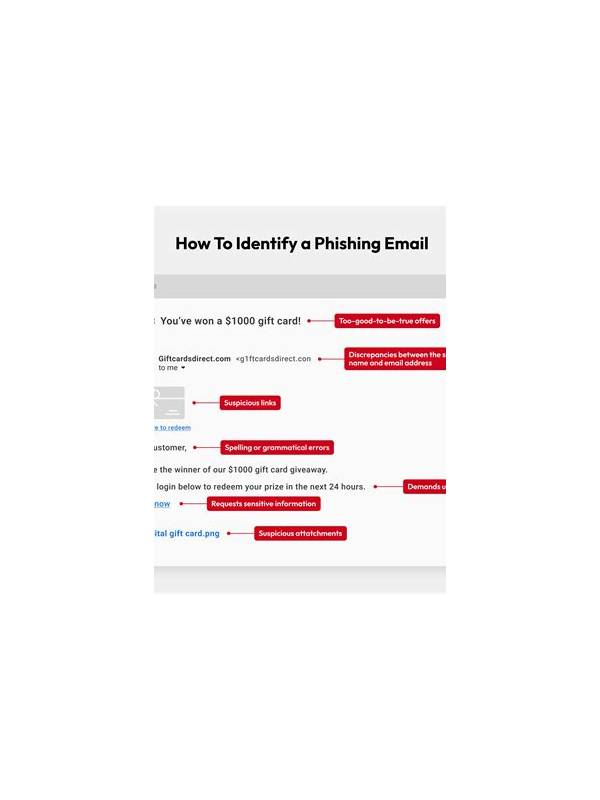
Rummy Safety: Recognize Phishing Messages About Your Account
Suspicious account messages often use urgency, unusual links, or requests for private information to create [...]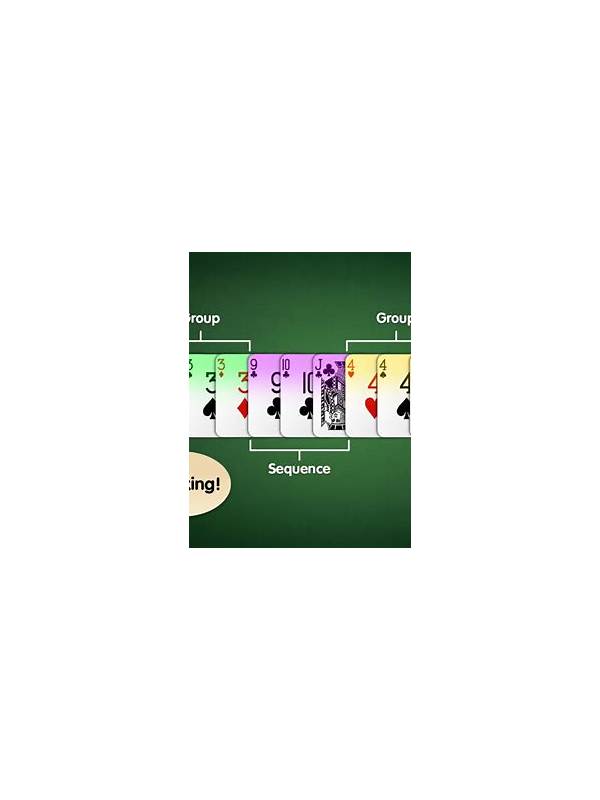
Rummy Hand Geometry: See Open Spaces Before Choosing a Meld
Learn how to use the empty spaces around your cards to choose a practical meld [...]