Rummy Hand Geometry: See Open Spaces Before Choosing a Meld
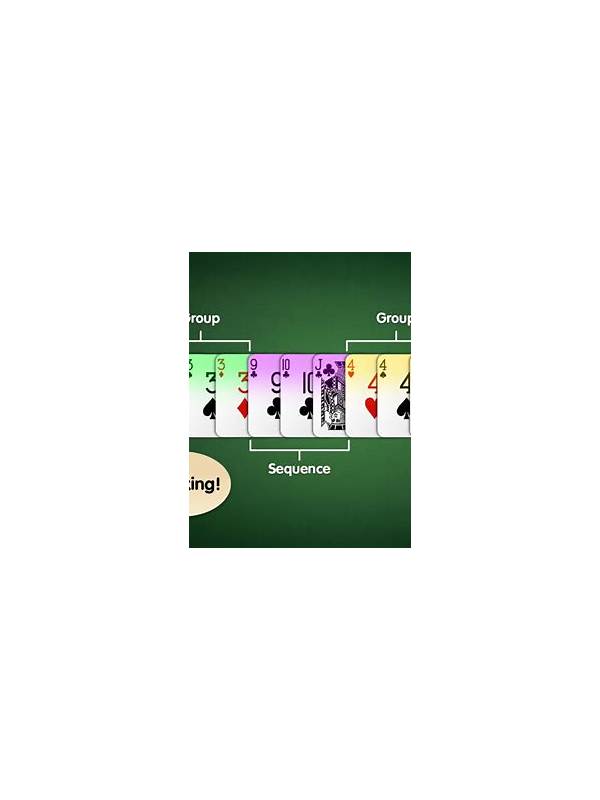
When a rummy hand looks untidy, players often focus on the cards they already connect. A more useful first question is where the open spaces are. An open space is a missing rank or missing matching card between pieces that could become a sequence or set. Reading those spaces gives the hand a shape and helps you avoid committing to the first attractive pair.
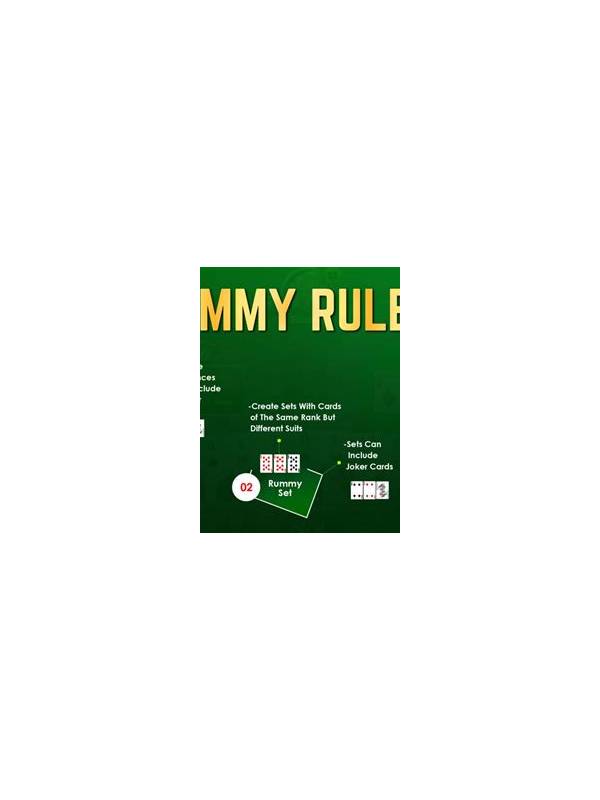
Start by sorting cards by suit and then mark every possible neighbor. A seven and nine of the same suit have one clear space between them: the eight. A seven and ten have two spaces and need a longer route. Three cards of the same rank in different suits have a different shape: the missing suit is the open space. This simple map separates near opportunities from ideas that require too many future events.
Next, count how many cards depend on each open space. If one missing eight would connect two cards and complete a useful sequence, it has high importance. If a card could fill only one isolated gap while leaving several unrelated cards behind, it deserves less attention. Do not treat every possible connection as equally likely or equally valuable. The goal is to compare the amount of hand improvement each space can provide.
Now look for overlap. A middle card may belong to two possible sequences, while a high card may have only one neighbor. Overlap creates flexibility, but it can also make a hand look stronger than it is. Write down a backup route before holding an overlapping card for too long. If the main route fails, you need to know what the card can still do.
Finally, review the spaces after every draw. A new card can close one gap, create another, or make an old route too expensive. This method is especially helpful when the discard pile is distracting: instead of asking whether a visible card is interesting, ask whether it closes a high-value open space in your hand.
Hand geometry is not a prediction system. It is a visual decision aid. It keeps attention on structure, missing links, and alternatives. With practice, a messy hand becomes a short list of routes, and each discard can be judged by which open spaces it preserves or removes.
For practice, deal a random hand and circle only three open spaces. Explain what each space would improve and what would remain unfinished if it closed. Then choose a discard without seeking a perfect answer. This exercise builds the habit of seeing the whole hand rather than chasing one exciting connection.
Related Post
Rummy Evaluation: Read Structure Before Adding Penalties
Use the structure of a rummy hand as a first comparison, then use points as [...]
Rummy Tips: Avoid Sunk-Card Thinking
Cards already held do not deserve protection merely because time and attention have been invested [...]