Rummy Guide: Read a Hand Through Its Bottleneck
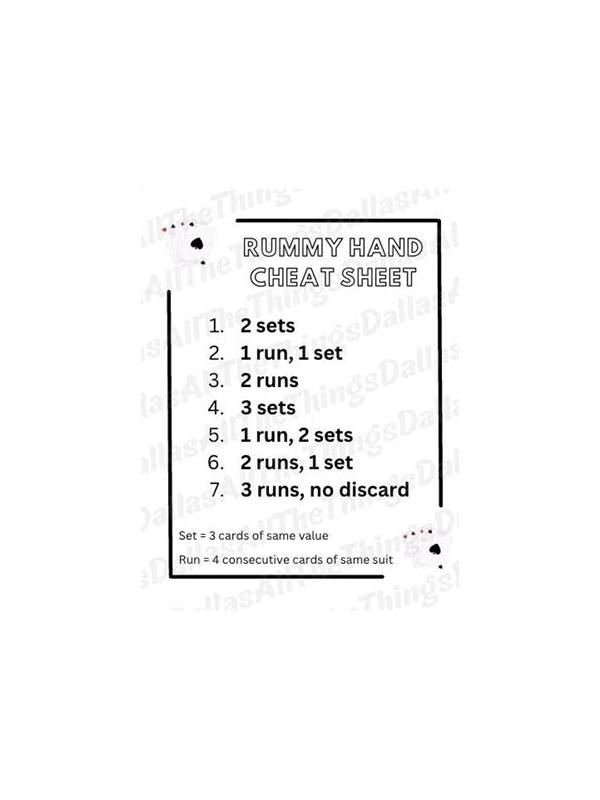
In a crowded hand, the most important card is often not the one closest to completion. It is the bottleneck: the requirement that prevents several possible routes from becoming practical. Finding that bottleneck gives you a better priority than simply chasing the easiest-looking improvement.
List each route and its missing requirements. Then mark requirements that appear in more than one route. A particular rank, suit, or connector may be the shared key. If three routes all depend on the same narrow card, the hand is less flexible than it first appears. If the routes have separate requirements, the hand may have genuine diversity and can wait for more information.
Once you find a shared bottleneck, estimate its alternatives. Can a nearby card replace it? Can one route be redesigned so the bottleneck disappears? Can another group use the cards already held without depending on it? This is the difference between a constraint and a fate. A bottleneck is useful information when it tells you where to search for an exit.
Do not automatically discard every card related to the bottleneck. A shared connector may still be the best card in the hand if it has multiple completion paths. Instead, compare its value with the cost of waiting. If the bottleneck has few plausible improvements and several cards are stranded behind it, reduce your commitment. If many unseen cards solve it and the hand has time, keep the route while protecting an alternate.
Use the bottleneck as a turn question: did this draw reduce the central constraint? If yes, the route may deserve more attention. If no, inspect whether another part of the hand has become stronger. This prevents a sequence of neutral draws from feeling like progress simply because the same plan remains visible.
At the end of the hand, record whether you identified the correct bottleneck. A missed bottleneck often leads to repeated low-value swaps, while a correctly identified one makes the next discard obvious. The method is simple: map routes, circle shared requirements, test alternatives, and set a time limit for waiting.
You can mark bottlenecks physically by placing a small note beside the relevant card or by grouping the related cards together. The visual reminder is helpful when the hand contains several partial patterns. Remove the mark as soon as the requirement is solved or abandoned; an old bottleneck should not keep influencing a new plan.
This habit is especially useful when several cards share one missing rank.
Related Post
Rummy FAQ: Does a New Card Change Every Group?
A new card should update the groups it can actually affect, not force a complete [...]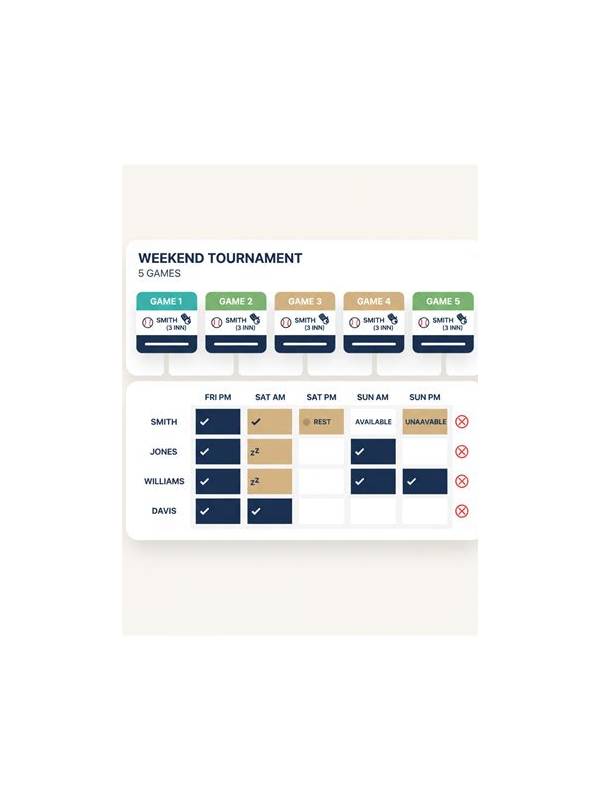
Rummy Tournament Schedule Planning for a Balanced Day
Rummy Tournament Schedule Planning for a Balanced Day offers practical guidance for clearer, safer, and [...]