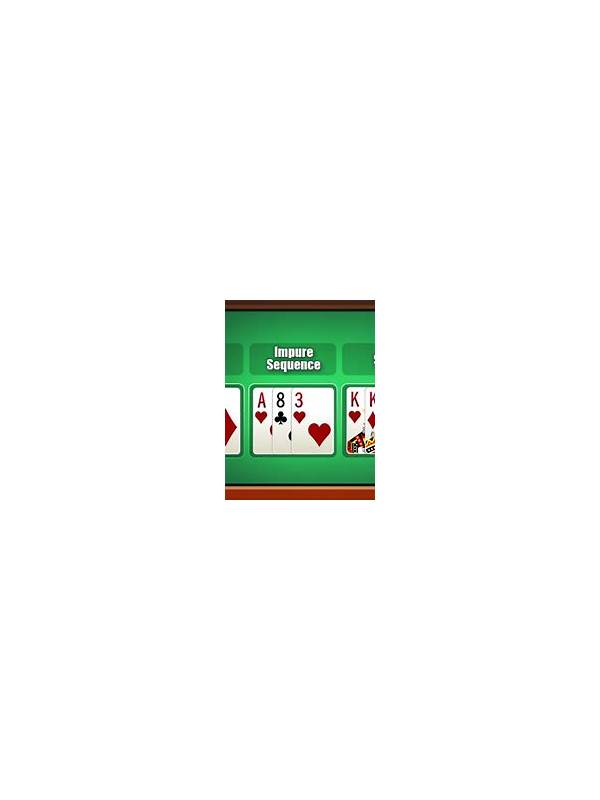
Rummy FAQ: Does a New Card Change Every Group?

Does one new card change every group in a rummy hand?
Usually, no. A new card can change the value of several cards, but it does not require you to rebuild every group. The safest approach is to identify which parts of the hand the card touches and then update only those parts first.
What does it mean for a card to touch a group?
A card touches a group when it can join that group, replace one of its cards, or make a different arrangement possible. For example, a card between two cards of the same suit may create a new sequence route. A duplicate rank may connect to a pair and create a set possibility. A wild card may alter several plans, but it still deserves a focused review rather than automatic use.
Start by checking direct connections. Ask whether the new card completes a legal group, reduces a one-card gap, or creates a better option than a group you were already pursuing. Then check indirect effects: did the card make another card unnecessary, or did it free a card that can support a different route?
Why is a full rearrangement risky?
Rearranging everything can make a hand look more promising than it is. A player may break a stable sequence to accommodate a new pair, or spend a wild card to create a pretty arrangement while leaving an essential requirement unresolved. A complete re-sort also consumes attention and may cause you to forget what the visible discards already showed.
Treat the new card as an update, not a command. Keep confirmed groups intact while you test the new possibility. If the card does not improve a group after a quick comparison, it can remain loose until the next review.
How should you update the hand?
Use a three-pass check:
1. Direct pass: Which existing group can accept the card immediately? 2. Replacement pass: Which card would leave if this card entered a group? 3. Discard pass: If the card is not worth keeping, which current card becomes the safest release?
This order prevents excitement about the new card from hiding its space cost. A new connection is useful only if the resulting hand is easier to complete, safer to declare, or better aligned with the rules.
When should you rebuild the whole hand?
Rebuild when the card changes a fundamental constraint: it completes a required pure sequence, creates a legal declaration that was previously impossible, or clearly makes your main plan inferior. Even then, preserve a note of the old arrangement until the comparison is finished.
The goal is not to resist new information. It is to give the information the right size of response. Update affected groups first, then choose whether the evidence justifies a broader change.
Related Post
Rummy How-To: Review a Hand Without Blaming the Last Draw
A neutral review separates unlucky cards from avoidable choices and produces a more useful lesson [...]
Rummy Endgame Choice: Simplify or Preserve Flexibility
Decide when a nearly finished rummy hand benefits more from simplicity than from another ambitious [...]