Indian Rummy FAQ: When Is a Pair Worth Keeping?
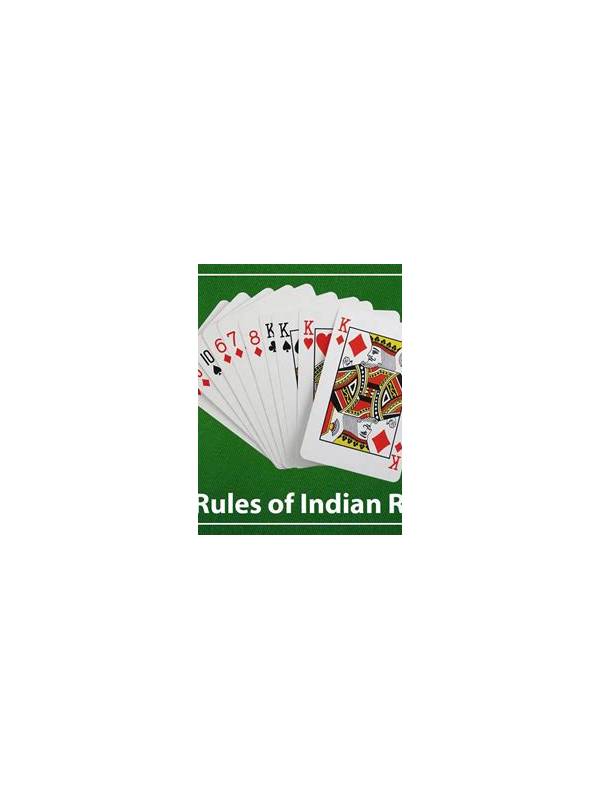
A pair is not automatically good or bad in Indian rummy. Its value depends on what else the hand needs, how many useful completions remain plausible, and whether keeping it delays a required sequence. A pair can be a strong foundation for a set, a bridge into another plan, or simply two cards occupying space while a more urgent problem remains unsolved.
Start with the rule requirements. If your format requires a pure sequence, protect a developing natural sequence before spending attention on a pair. A pair may become useful later, but it cannot substitute for a required structure. Separate “needed for legality” from “pleasant to have” before you compare cards.
Then inspect the pair’s conversion options. Can one card join a sequence if a neighbor appears? Can the rank receive another copy for a set? Are those routes supported by cards already visible, or are you imagining an unlikely arrival? A pair with two credible routes is more flexible than a pair that depends on one exact card. Middle ranks often have more neighboring possibilities, but visibility and suit distribution matter more than a slogan about high or low cards.
Consider the cost of holding it. If keeping the pair forces you to discard a useful connector, the pair may be consuming flexibility. If it is low-cost and leaves your other groups intact, it can be a reasonable reserve. Give speculative pairs a review point: after one or two draws, reassess whether the hand has supplied evidence. Do not let the phrase “I already kept it” become the reason to keep it again.
For a clear decision, create two layouts. In the first, keep the pair and identify the remaining incomplete groups. In the second, release one card and build around the strongest alternative. Compare the hardest missing requirement in each layout. Also compare the likely penalty of being forced to discard the pair later. This is more useful than counting the pair as two finished cards.
In the endgame, the answer may change. A pair that was a patient early option can become dead weight when the hand has only a few turns left. Conversely, a pair can be valuable if it completes a set with a card already available and does not interfere with required sequences. Recheck it whenever the table reveals new information.
The practical rule is simple: keep a pair when it supports several credible routes at an acceptable cost. Release it when it blocks a clearer requirement or survives only through hope.
Related Post

Rummy How-To: Create a Five-Minute Midgame Reset
A short midgame reset can restore a clear plan when the hand has become crowded [...]
Rummy Repair Cost: Compare How Hard a Card Is to Rescue
Judge difficult rummy cards by the number of changes needed to make them useful, not [...]