Rummy Safety: Keep a Session Receipt Without Sensitive Data
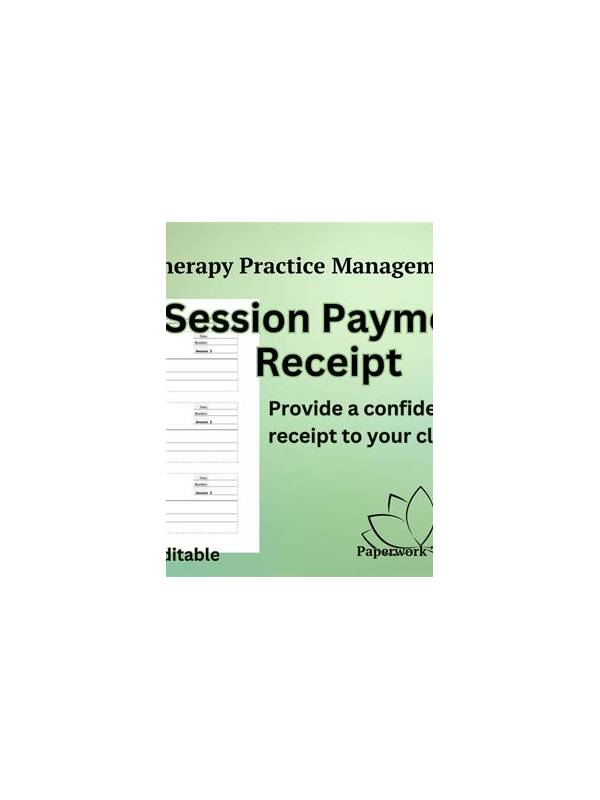
A session receipt is a short personal record of when you played, how long you played, and what you learned. It can help with time and budget boundaries, but it should never become a storage place for sensitive account information. Good notes describe behavior and decisions, not secrets.
Keep the record minimal. Useful fields include the date, approximate start and end time, format, number of hands, and a one-line process observation. If money is involved, record only the broad planned amount and whether you stayed within it. Avoid writing full transaction references, card numbers, passwords, login links, identity documents, or verification codes.
Separate review from account administration. A note such as “I chased one narrow route for four turns” is suitable for practice. A note containing a balance screenshot or a sign-in token is not. If you need to contact support, use the official channel and provide only the information requested through that channel. Do not paste sensitive details into a general journal.
Use the receipt at the end of the session, not while you are making a tense decision. Mark whether you followed your break rule, whether attention declined, and one skill to practice next time. If the record shows repeated extensions, rushed decisions, or spending beyond the plan, treat that pattern as a reason to pause or reduce the session.
Store the record where other people cannot casually access it, especially on shared devices. Review permissions for any note-taking app and avoid syncing private records to unknown services. A paper note may be safer for some people, while a locked local note may be more convenient for others.
The value of a receipt comes from clarity, not detail. A few neutral facts can show whether your habits match your intentions. Keeping secrets out of the record protects the account while preserving the information needed for responsible play and useful reflection.
You can also use broad categories instead of exact figures: within plan, close to limit, or outside plan. The category is enough to prompt a review while revealing less if the note is seen by someone else. If a record repeatedly falls into the last category, stop treating it as a writing problem. Adjust the session boundary or take a longer break before playing again.
Related Post
Rummy Safety: Verify Support Messages Before Responding
Verifying unexpected support messages helps protect rummy accounts from impersonation, urgency, and unsafe requests. [...]
Rummy Account Recovery: Prepare Before You Lose Device Access
Rummy Account Recovery: Prepare Before You Lose Device Access offers practical guidance for clearer, safer, [...]