Rummy Practice: Visualize Draws With a Three-Card Drill
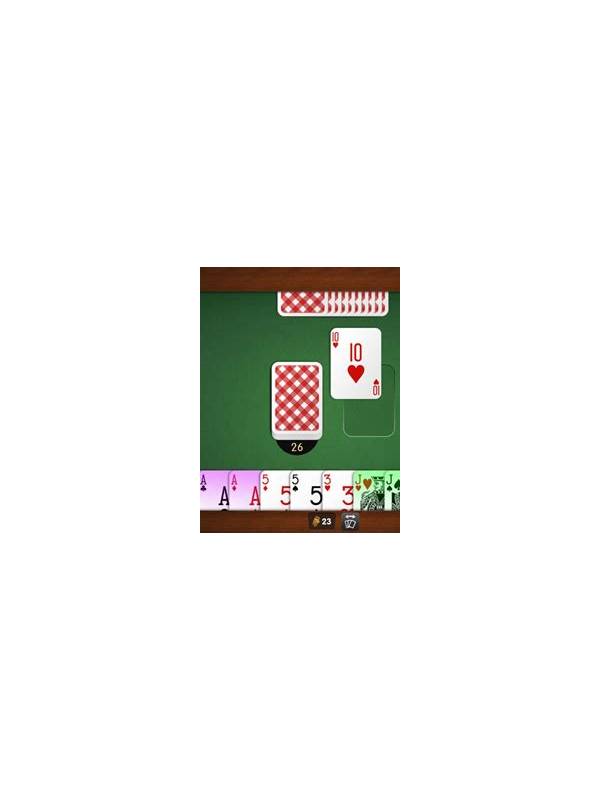
You can practice rummy decisions without entering a live table. A three-card visualization drill trains you to compare useful draws, dead draws, and flexible alternatives instead of reacting to a single attractive card.
Write down a small sample hand with a pair, a short sequence, and two loose cards. Choose one loose card as the next discard. Now name three cards that would improve the hand. For each card, state exactly where it goes and whether the resulting group is valid under the format you are studying. If you cannot explain its job, do not count it as an improvement.
Repeat the exercise with a different discard. You may discover that the obvious high card is not the most urgent problem. A low card that blocks your arrangement can be more important if removing it opens several routes. Compare the number of useful draws, the points left after a miss, and whether the choice reveals a clear plan.
Add a visibility constraint after a few rounds. Mark one or two potential cards as already seen in the discard pile and recalculate. This teaches you to update a plan without abandoning it instantly. Then create an opponent clue, such as a recently picked card, and ask which of your candidate discards would be least informative to give away.
Keep each drill short and record one sentence about the decision. The aim is not to memorize a universal move. It is to build the habit of describing routes, costs, and alternatives before clicking. Ten focused minutes can improve decision quality more reliably than a long session played while distracted. For an advanced version, reveal the three candidate cards one at a time and decide before seeing the next. This prevents the last card from dominating your judgment. Record missed drills by error type, such as counting an invalid card or forgetting penalty points, then practice that issue directly. Pattern recognition improves when feedback is specific. The drill can include discard-pile information. Mark one candidate as recently seen and explain how the route changes. Then mark a second candidate as a card an opponent just took. This forces you to distinguish unavailable, less likely, and still possible. Never treat a practice estimate as exact knowledge. The value of the exercise is learning to update without panic. You can finish by stating which candidate you would actually choose and why. The explanation should mention structure and risk, not only the card’s rank. Repeat the drill with a different hand shape so the lesson transfers beyond one convenient example. Consistent comparisons build confidence without pretending that every draw is predictable.
Related Post
Rummy Tips: Use Verbal Pairing in Offline Practice
Saying a card’s rank and suit while sorting can strengthen accurate recognition during low-pressure practice. [...]
Rummy FAQ: What Is a Route Collision?
A route collision occurs when two attractive plans compete for the same card or hand [...]