Rummy Tips: Choose a Discard Order When Holding Pairs
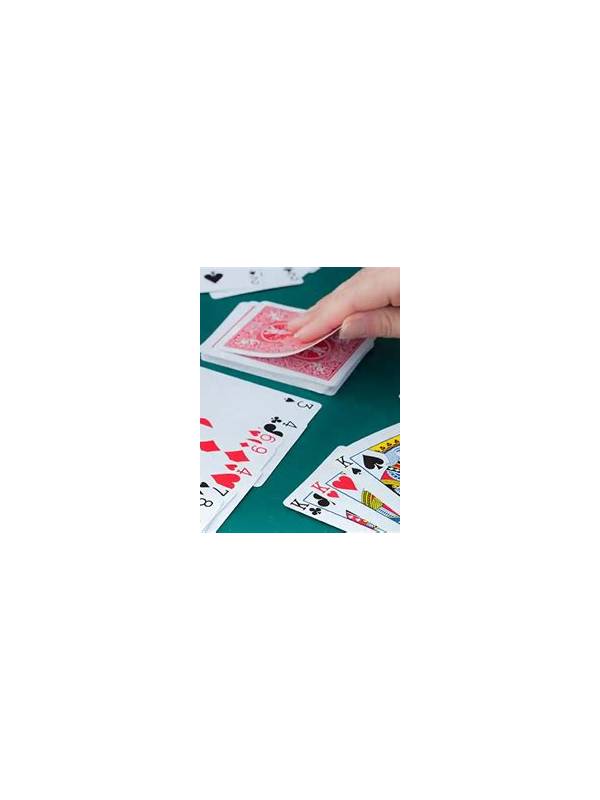
Holding several pairs can feel productive because every pair looks like a possible set. The danger is keeping all of them too long and losing the space needed for sequences. A discard order helps you preserve the pairs with the best future value.
First, classify each pair by its available routes. A pair that can become a set with more than one rank copy may be useful, while a pair that needs one exact card has a narrower route. A pair that also connects to a possible sequence has extra flexibility. Write the routes mentally rather than judging a pair by its point value alone.
Second, compare the surrounding cards. A pair of middle ranks may connect in several directions, but a pair near a sequence edge can be easier to strand. A pair of high cards can sometimes be worth keeping when it has strong structure, yet it carries a larger penalty if the plan fails. Your choice should reflect both completion chance and exit cost.
Third, consider information. If an opponent has taken a card that would complete one of your pairs, the remaining copies may be less useful than they appeared. If the discard pile is full of related ranks, that route may also be crowded. Do not force a pair simply because it was the first pattern you noticed.
When two pairs are close, release the one with fewer routes and higher penalty first. Keep the decision reversible when possible: discard a card that does not destroy a useful sequence and leaves you with a clear next test. Pair management is not about collecting duplicates; it is about reserving hand space for combinations that can actually finish. The discard decision can change after every visible card. If a connector turns one pair into part of a strong sequence, reassess its role; if several needed cards appear elsewhere, reduce its priority. When practicing, rank pairs in sample hands before drawing and check whether your ranking changes after hypothetical draws. A pair is a temporary resource, not a promise. Do not let the word pair hide the real structure. A pair can be part of a sequence, a possible set, or an isolated duplicate with no useful neighbor. Sort the hand by those functions before comparing it with another pair. If a pair supports two different arrangements, it may deserve extra time, but only while the penalty and available space remain reasonable.
Related Post
Rummy How-To: Test a Declaration With a Verbal Checklist
A short verbal checklist can catch structural and rule errors before you submit a rummy [...]
Rummy Guide: Build a Better Opening Scan in Thirty Seconds
A quick opening scan can reveal structure, danger, and the first useful decision before the [...]