Rummy Tips: Test Your Plan for Confirmation Bias
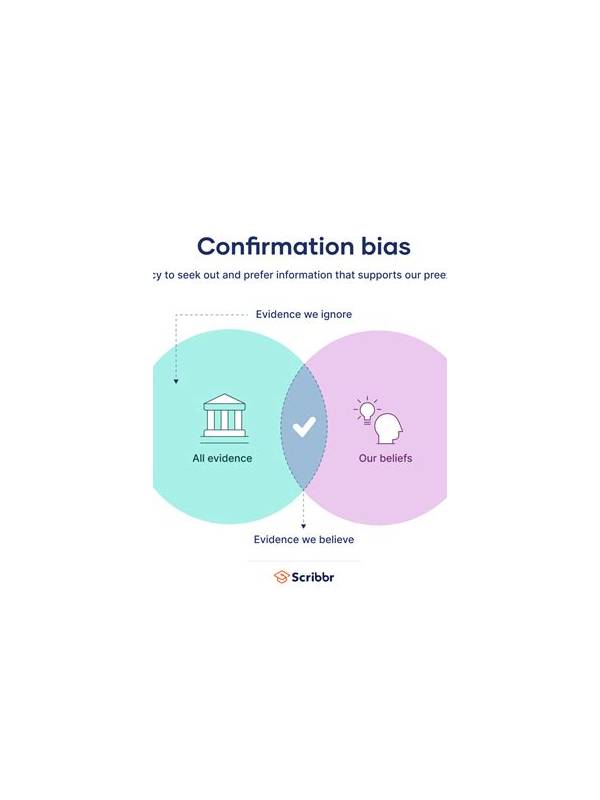
Once a player chooses a route, every related card can look like proof that the route was correct. This is confirmation bias. In rummy, it can keep you attached to a weak sequence while better alternatives disappear. A short counterargument protects against that habit.
When a card appears to support your plan, ask what evidence would count against it. If you are building a sequence, perhaps the counterevidence is that the remaining useful ranks are already visible or that the route leaves expensive loose cards. If you are collecting a set, ask whether the pair has any secondary use if the exact rank does not arrive.
Then compare one alternative using the same standards. Count useful draws, completion steps, penalty on a miss, and the information your discard reveals. Do not compare your favorite route in detail with an alternative described vaguely. Equal standards make the choice clearer.
Repeat the test after a meaningful change, such as a picked-up discard, a blocked suit, or a late-game turn. You do not need to challenge every small card. The purpose is to notice when the facts have changed enough to justify a reassessment.
A counterargument is not pessimism. It is a way to keep your plan conditional. You can still choose the original route when it has the stronger numbers, but you will be choosing it because it survives comparison rather than because you have already invested attention in it. Confirmation bias often appears after a lucky improvement. Ask whether you would choose the same route if the helpful card had not arrived. That separates process quality from the immediate result. You can also explain one decision to another player and invite the strongest argument against it. The exercise exposes missing information before the hand becomes expensive. A useful sentence frame is: “My plan works if…, but it weakens if…; the alternative offers….” Fill it in before a major discard. This makes assumptions visible and gives you a natural point for reassessment. The sentence is not meant to delay every action. Use it when you notice yourself seeking evidence for a route instead of comparing routes fairly. Over time, keep examples of both confirmed and rejected plans. Seeing a route that looked attractive but failed the counterargument makes the method easier to trust. You are training yourself to welcome disconfirming information early, when changing direction is still inexpensive and the hand retains room to recover.
Related Post

Rummy Comparison: One Deck View Versus Group View
Compare two ways to inspect a rummy hand and learn when each view is useful. [...]
Rummy Tips: Use a Discard Cooldown Before Changing Plans
A brief cooldown after a discard helps you reassess calmly instead of rebuilding your entire [...]