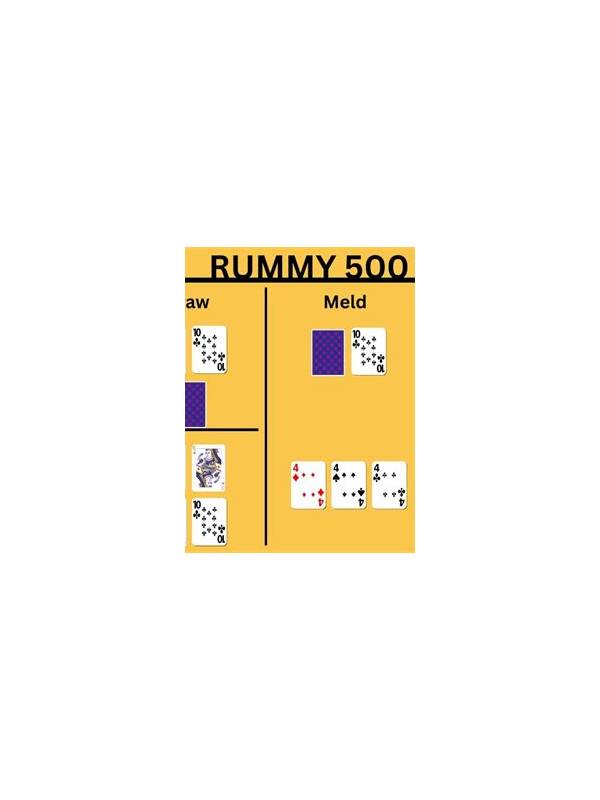
Rummy Comparison: Quick Tables Versus Relaxed Tables

Table speed changes more than the length of a hand. A quick table compresses observation and decision time, while a relaxed table gives more room to inspect routes and verify rules. Choosing the right pace can improve learning and reduce avoidable mistakes.
Quick tables suit players who already understand the interface and can identify common patterns quickly. They reward preparation, clean card organization, and a simple decision routine. They are less forgiving when a connection lags or a player is distracted. A fast timer can also turn a normal uncertain position into an emotional one.
Relaxed tables are better for studying. You can count useful draws, compare two discards, and review an opponent’s visible choices without rushing. The extra time does not guarantee better play; it can encourage overthinking. Set a personal decision limit even when the table allows more time, then use the remaining time only when the position genuinely changes.
Compare the formats by goals. If your goal is to learn hand structure, begin slowly. If your goal is to test focus under pressure, add speed only after the basic process is reliable. Track error types rather than win rates: missed rules, accidental clicks, rushed discards, and late reassessments are more useful evidence.
Also compare practical conditions, including device size, network stability, and fatigue. A pace that feels comfortable on a large screen may be stressful on a phone. Table speed is part of the playing environment, not a measure of skill. Choose a format that supports deliberate decisions within your current limits. Observe a table countdown in free mode before committing funds. Notice how long sorting, reading the discard, and checking a declaration take on your device. A pace that is manageable in theory may be impractical with small buttons or a slow connection. Study new rules slowly and add speed only after accuracy is reliable. Remember that speed is not the same as efficiency. A quick table that causes frequent accidental moves, missed rules, or emotional resets is expensive in attention. A relaxed table that lets you practice a repeatable process may produce better long-term progress. Review your own error rate and comfort after several hands, and change pace when the environment stops supporting accurate decisions. Before joining, check the table’s timer, player count, entry conditions, and any rule differences. These details matter more than a label such as fast or casual. If you cannot comfortably complete a legal move during practice, do not treat the paid table as a place to learn the interface. Build familiarity first.
Related Post
Rummy Guide: Build a Two-Discard Escape Route
Planning two safe release options can keep a rummy hand from becoming trapped after an [...]
Rummy Tips: Use a Stop Point After Three Unhelpful Draws
A defined stop point can prevent a fading rummy plan from absorbing every later decision. [...]