A Better Way to Sort Your Rummy Hand Before the First Draw
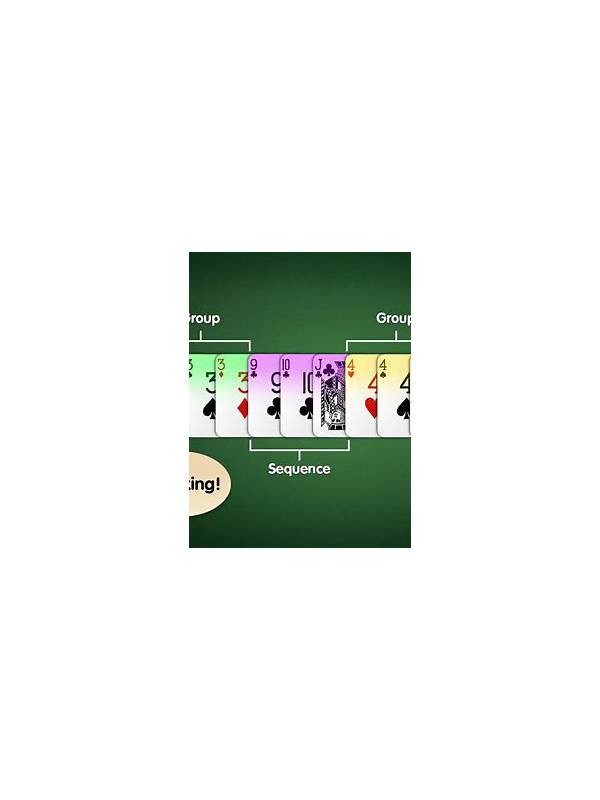
The first few seconds after a rummy deal can shape the whole hand. A tidy arrangement does not guarantee a win, but it reduces missed connections and makes each later choice easier to evaluate. The goal is to sort by function, not merely by suit.
Start with the cards that already form a pure sequence. Keep those together and mark them as protected. A completed requirement gives you a stable base, so avoid breaking it for a small improvement elsewhere. If no sequence exists, place connected same-suit cards in one group and leave a little space for a possible extension.
Create a second area for sets and near-sets. Cards of the same rank can become a set, but do not treat every pair as equally promising. A pair with several unseen matching cards is more flexible than a pair whose missing ranks are already visible in opponents’ melds or the discard history.
Put isolated high-value cards in a separate danger row. This makes their cost visible and prevents them from being mistaken for part of a plan. An ace, king, or queen may eventually connect, but it should have a deadline. If no useful card arrives after several turns, consider releasing it rather than protecting hope.
Use a simple mark for dual-purpose cards. A middle card that could extend a sequence on either side or join a set deserves attention because it has options. However, too many “maybe” labels create clutter. Keep only the strongest alternatives and be ready to commit when the hand develops.
After every draw, rebuild the arrangement briefly. Digital interfaces make it tempting to leave cards where they landed, but visual order can become misleading. Check whether the new card creates a legal group, improves an existing one, or merely distracts you from a safer discard.
Your sorting method should also fit the format. In a points game, reducing high-value leftovers may be urgent. In pool or deals rummy, preserving a route to a valid declaration can deserve more attention. A consistent layout helps you switch priorities without losing track of the hand.
Good sorting is a decision aid. It shows what is complete, what is promising, and what is expensive. Once those three categories are visible, you can spend your thinking time on probability and timing instead of searching through an untidy hand.
If you use a digital table, leave enough visual separation between groups to prevent accidental selection. Before discarding, read the selected card’s rank and suit aloud in your head. This tiny confirmation is especially helpful when several cards share a rank or when the interface reorders the hand automatically. Organization is valuable only when it supports accurate actions as well as accurate thinking.
Related Post

Rummy FAQ: What Is an Out Card?
Learn how players use the term out card and why a useful completion card must [...]
Rummy FAQ: Why Does a Low Card Still Need a Job?
Low point value reduces cost, but it does not make an unconnected rummy card strategically [...]