How to Choose a Comfortable Rummy Table Stake

Choosing a table stake is less about finding the biggest possible prize and more about selecting a level that keeps the session comfortable. Before joining an online rummy table, decide what amount you can treat as a recreation expense. That amount should be separate from rent, bills, savings, debt payments, and money reserved for essentials. If losing the entry amount would create stress, choose a lower table or practise for free.
A useful method is to set a session budget and divide it into several planned entries. For example, a player might decide that a short evening is worth five small entries rather than one large entry. This does not make a loss acceptable or guaranteed; it simply prevents one impulsive decision from defining the entire session. Once the budget is used, stop. Do not reload because of a near miss or an urge to recover.
Read the table information before confirming. Check the entry fee, platform fee if any, prize structure, number of players, and whether the format is points, pool, or deals rummy. A low-looking entry can still involve a longer commitment or additional charges. Also check the minimum age, geographic availability, and the operator’s responsible-play controls.
Consider time as part of the cost. A fast table may suit a short break, while a pool game can continue through several rounds. Fatigue often changes decisions, so avoid choosing a table simply because you have already spent time waiting. If the interface makes the value unclear, leave the table and find the rules or fee explanation first.
Finally, record the decision before play begins. Note the table, budget, start time, and stop time. This small pause turns a vague impulse into a deliberate choice. The strongest table stake is one that allows you to focus on arranging cards and learning from decisions, not on worrying about what the outcome must be. It can help to set a written stop rule for both winning and losing. A winning limit protects a good result from turning into an invitation to continue indefinitely, while a losing limit protects the rest of your budget. Keep the rule visible and avoid changing it during a hand. If the platform provides a spending history, compare it with your own note after the session. Small discrepancies can reveal fees or adjustments that deserve clarification before you play again. A calm, understandable record is part of choosing a table responsibly.
Related Post
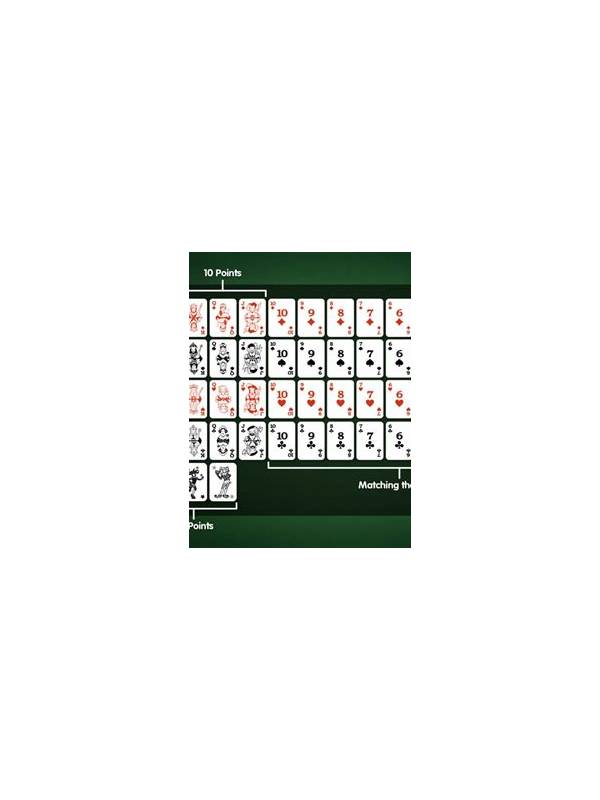
Points Rummy Scoring: A Worked Example for New Players
A simple scoring example shows how card values and the winning declaration interact in points [...]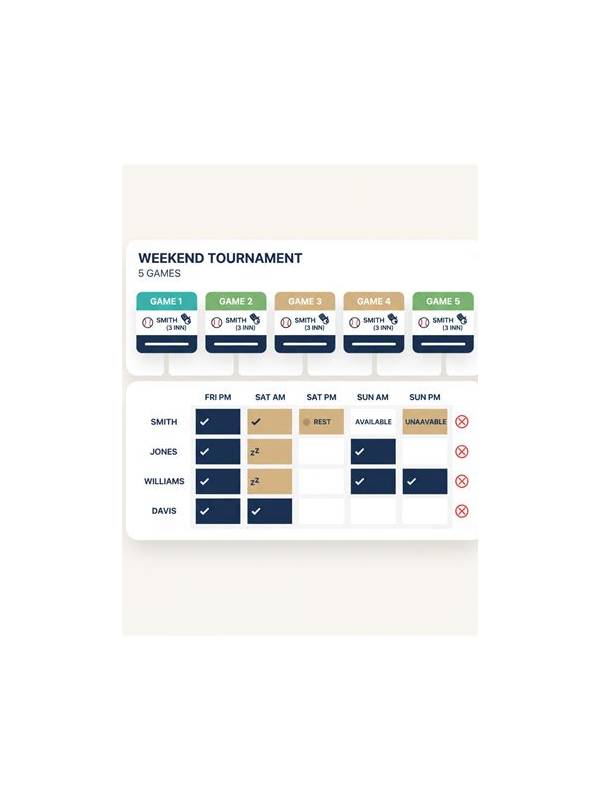
Rummy Tournament Schedule Planning for a Balanced Day
Rummy Tournament Schedule Planning for a Balanced Day offers practical guidance for clearer, safer, and [...]