How to Compare Two Possible Rummy Sequences
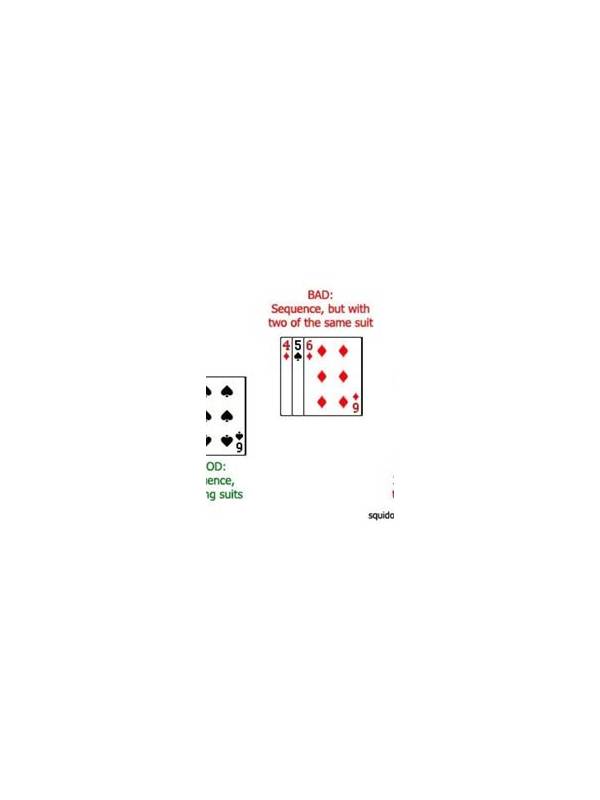
Two possible sequences can make a rummy hand feel richer than it is. A single card may connect to a low run and a high run, or a joker may fit in several places. Rather than choosing the most attractive-looking arrangement, compare the plans using the same questions.
Start with certainty. Does either plan contain cards already connected in the same suit, or are both plans built around a single isolated card? A plan with an existing pair usually needs less support than one that begins from scratch. Mark the cards that are genuinely connected and do not count a card twice during the comparison.
Then count requirements. Write down the missing ranks and suits for each sequence. A plan needing one of several cards may be more flexible than a plan needing one exact rank. However, a broader list is not always better if the resulting sequence would leave several high cards stranded. Consider the complete hand, not just the two cards at the center of the choice.
Check the role of a joker separately. A joker can complete a sequence, but using it in one place may prevent it from solving a more difficult group. Compare what each assignment accomplishes. If one placement completes a sequence while the other merely extends an already promising group, the first may have greater structural value.
Review the discard evidence without overreading it. A card recently discarded by another player may reveal limited information, but it does not prove what they hold or what you will draw. If one sequence depends on cards that are visibly unavailable or repeatedly rejected, downgrade it. Keep the language probabilistic: “less supported,” not “impossible.”
Finally, compare the fallback. Suppose neither sequence develops over the next two turns. Which plan leaves the safer discard? Which one lets you reduce penalty points without breaking a confirmed group? A good plan is not only the one with the highest upside; it also has a manageable exit.
Use this comparison before taking a tempting open-pile card or committing a joker. The method takes only a few seconds once practiced: existing connections, missing requirements, joker value, visible evidence, and fallback. It keeps the decision grounded in the current hand instead of in the excitement of a nearly imagined run. This comparison is especially helpful when a hand contains several pairs. Pairs can be valuable starting points, but they are not equal: one may have a natural same-suit extension, while another may compete for the same missing rank. Evaluate the pair as part of a full hand and be ready to release it when a stronger structure appears.
Related Post
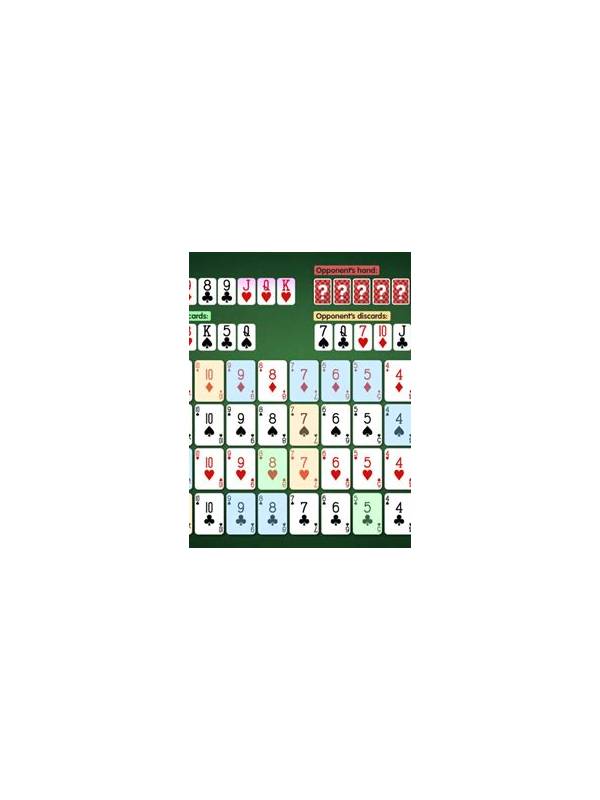
Rummy Hand Branching: Compare Plans by Useful Draws
Learn to compare rummy plans by the number and quality of future draws they keep [...]
Rummy Guide: Read the Table Without Guessing Personalities
Focus on observable actions at the table instead of turning limited game information into assumptions [...]