How to Prepare a Rummy Hand Before the First Discard
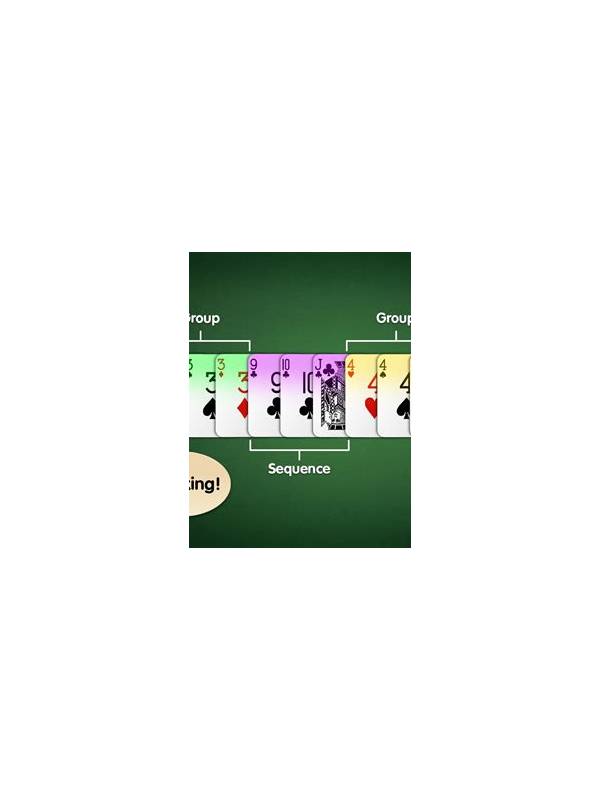
The first discard influences the shape of the entire hand. It should not be chosen only because a card is high or visually isolated. A short opening review can reveal the hand’s requirements, preserve good options, and prevent a rushed commitment to a narrow plan.
Find the non-negotiable structure
Start by checking whether a natural or pure sequence is already present. If not, identify the most plausible route to one. This requirement deserves attention because a hand full of sets may still fail a format’s declaration rules. Mark the cards that contribute to that route before judging less urgent combinations.
Group the visible possibilities
Arrange cards by suit and rank, then look for consecutive pairs, same-rank pairs, and isolated cards. Separate a real connection from a card that merely sits near another rank. A six and eight of the same suit are not a sequence yet; their value depends on the missing seven and on what else the hand needs.
Choose a discard candidate
A good first discard usually has three traits: it has no current role, it carries avoidable penalty, and it does not block a flexible future plan. If two cards are similarly weak, discard the one with fewer plausible connections. Keep the review grounded; do not discard a useful card just to make the hand look symmetrical.
Decide what information to reveal
Taking an open card later can reveal your direction, so the first discard should also be considered in that context. Avoid giving away an obvious completion when a safer card is available. At the same time, do not become so secretive that you keep costly deadwood. Hand improvement remains the main objective.
Make a provisional plan
Choose one primary goal and one backup idea. For example, develop a natural run in one suit while keeping a same-rank pair only if it remains flexible. The plan is provisional because the next draw can change everything. Reassess rather than forcing the opening idea through every later turn.
The first discard does not need to be brilliant. It needs to be defensible: it respects the rules, reduces a weak card, and leaves room for new evidence. A calm opening review creates that foundation and makes subsequent turns easier to evaluate.
If the opening hand is unusually awkward, choose the discard that limits future damage rather than searching for a perfect arrangement. One careful reduction can create room for a better plan on the next draw.
Related Post
Rummy Safety: Build a Pre-Play Device Check
A short device routine can reduce avoidable interruptions and account risks during digital rummy. [...]
Rummy Safety: Make an Exit Plan Before Joining
Set clear time, spending, and attention limits before a rummy session so stopping remains an [...]