How to Review a Rummy Hand After Every Discard
Discarding a card is not the end of a decision; it is the start of the next review. A hand can change from one turn to the next, and continuing to follow an old plan is a common source of avoidable mistakes. A short routine helps you reset without spending too much time.
First, confirm what remains in the hand. Count the cards and check that the intended discard actually left the group. Online interfaces can make a quick tap feel final, so verify the visible arrangement before planning the next move. Then identify your strongest completed or nearly completed combination.
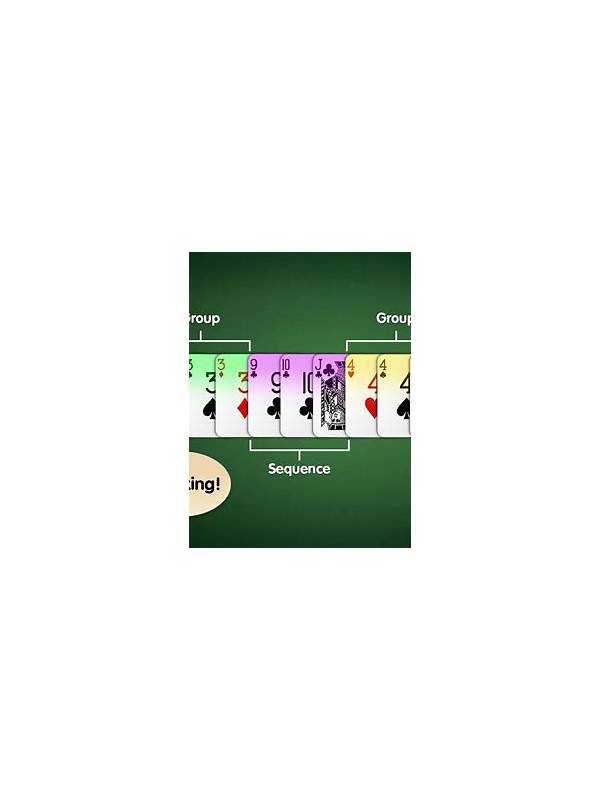
Second, separate confirmed structures from hopes. A three-card pure sequence is confirmed under the usual rules, while a pair waiting for one exact card is only a possibility. Keep both in mind, but give them different labels. This prevents a speculative pair from receiving the same protection as a finished group.
Third, choose one improvement target for the next turn. It might be completing a sequence, lowering the value of a loose card, or replacing a risky card with a flexible one. One target is easier to evaluate than a list of five wishes. If the draw does not help that target, reassess rather than forcing it.
Fourth, inspect the discard information. Which ranks or suits have become less available? Did someone take a card that confirms a possible pattern? You do not need to reconstruct every player’s hand. Just note evidence that changes the attractiveness of your own plan. Information should adjust your priorities, not create certainty where none exists.
Fifth, prepare two discard candidates before your next draw. The primary candidate may be a high isolated card; the backup might be a pair that has become too narrow. Having alternatives prevents a new card from forcing a rushed choice. Recheck both candidates after drawing because a formerly weak card may now connect.
End the review with the rules requirement. Ask whether the hand could be declared valid today and what is still missing. A beautiful set collection is not enough if the format requires a pure sequence or another condition. Keep that requirement visible throughout the session.
The complete review should take less than a minute once practiced. It is not a demand to overanalyze every turn. It is a reset button: verify, separate facts from hopes, select one target, use available information, and keep a backup discard ready.
Related Post
Rummy FAQ: What Is a Shared Dependency in a Hand?
A shared dependency is one missing card or condition that several rummy plans rely on [...]
Rummy Comparison: One Deep Plan or Two Small Plans
Compare concentrated and diversified rummy planning when the opening hand is uncertain. [...]