Indian Rummy How-To: Separate Secure Groups From Working Groups
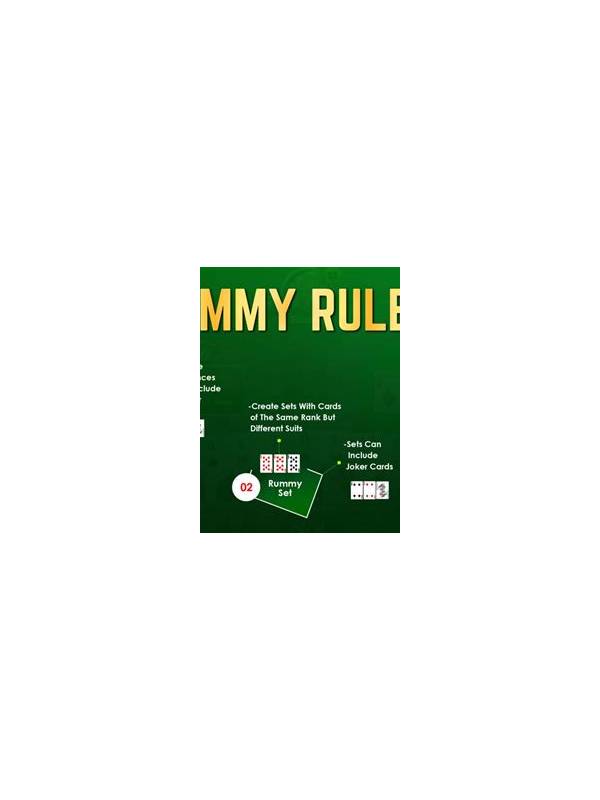
Many rummy errors happen because every group receives the same attention. A confirmed sequence and a loose pair may look adjacent on the screen, yet they deserve different treatment. Separate your hand into secure groups, working groups, and unassigned cards so that one attractive draw does not accidentally damage completed progress.
A secure group meets the current rules without needing another card. It may be a valid sequence or set, depending on the format. Mark it mentally and avoid breaking it unless a rule or a much stronger arrangement requires a change. Security is valuable because it reduces the number of problems you must solve before declaring.
A working group has potential but is incomplete. A pair, a short run, or a flexible connector belongs here. For each group, name the improvements it can realistically accept. A pair may need one of several matching ranks; a short run may accept a card on one side; a middle connector may accept cards on either side. This list helps you compare potential rather than relying on appearance.
Unassigned cards should be reviewed last. They are often candidates for release, but do not discard them automatically. An unassigned card may connect two working groups or protect a useful middle card. Ask whether it has a clear job over the next one or two turns. If it has no job, its value is mostly emotional, and that is a warning sign.
When a new card arrives, place it into one category before making a discard. If it creates a secure group, protect the improvement. If it only creates another working group, compare it against the existing one instead of keeping both indefinitely. If it remains unassigned, look for the least costly release.
This separation also improves endgame decisions. With one secure group protected, you can take measured risks elsewhere. With several working groups and no secure foundation, you may need to choose the route that satisfies the rules most directly. The categories turn a crowded hand into a set of priorities: protect what is complete, test what is promising, and question what has no role. The labels can be physical or mental. On a small screen, place confirmed groups at one side and working groups at another if the interface allows it. If it does not, use a quick verbal description before drawing. The habit matters more than the layout. Clear categories make it easier to notice when a new card changes priorities.
Related Post
Rummy How-To: Reconstruct the Turn Before Reviewing It
Replaying the exact information sequence produces more useful rummy analysis than judging a decision from [...]
Rummy Screen Reading: Check Suit and Rank Separately
Separating suit and rank checks reduces common visual errors when grouping cards on a digital [...]