A Low-Stress Rummy Session Setup for Small Spaces
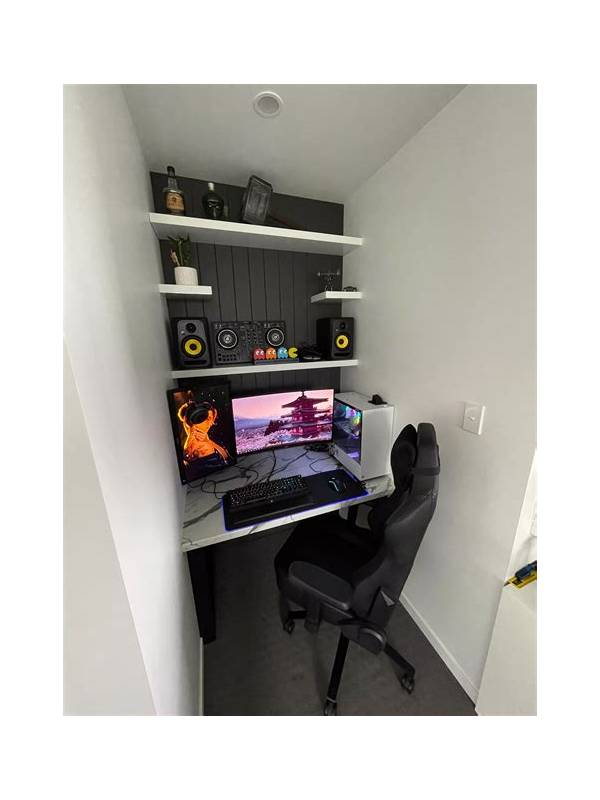
A comfortable setup can make rummy easier to follow, especially when playing on a small phone or in a crowded room. The aim is not to create elaborate equipment. It is to remove avoidable distractions before the first hand.
Begin with screen position. Place the device where you can see the complete hand without holding it at an awkward angle. Increase text or card size if the platform allows it, but check that important buttons remain visible. If glare makes suits difficult to distinguish, change the light or move the screen rather than guessing.
Keep the play area clear of unrelated notifications. Silence nonessential alerts and close apps that may interrupt the connection or cover the table. Use a stable network when available, and make sure the device has enough battery for the planned session. A charging cable should not create a trip hazard or force you to hold the device in one position.
Prepare water and a short break point. This sounds minor, but having a planned pause reduces the temptation to continue while tired. If you are sharing a room, tell others when you will be unavailable for a hand and use headphones only when they do not make you unaware of your surroundings.
Set a session boundary before joining. Decide the approximate duration, number of hands, or practice goal. A boundary helps separate a planned activity from an unplanned attempt to recover a result. When the boundary arrives, review your focus and stop if the session no longer feels comfortable.
Finally, check privacy. Avoid playing where account details, payment screens, or private messages are visible to others. Lock the device when stepping away and sign out of shared equipment. A small, orderly setup supports better attention and protects personal information at the same time.
If you play in a public place, use a privacy angle and avoid speaking account details aloud. Keep the device close enough to notice a disconnect, but do not let the screen dominate your surroundings. A setup that supports attention should also support ordinary safety: stable seating, reasonable volume, and awareness of people nearby. These small choices make it easier to stop at the planned time and return to the rest of your day.
Before starting, take a quick visual sweep of the space. Move drinks away from electronics, secure loose cables, and choose a seat that allows you to leave without disturbing others. These details are easy to overlook when attention is fixed on the table, yet they prevent small interruptions from becoming a reason to rush.
Related Post

Rummy Strategy: Give Each Incomplete Group a Deadline
A deadline keeps an attractive but stagnant group from consuming the whole hand and blocking [...]
Comparing Rummy Table Speeds Before You Join
Choosing a table speed that matches your attention and experience can make online rummy more [...]