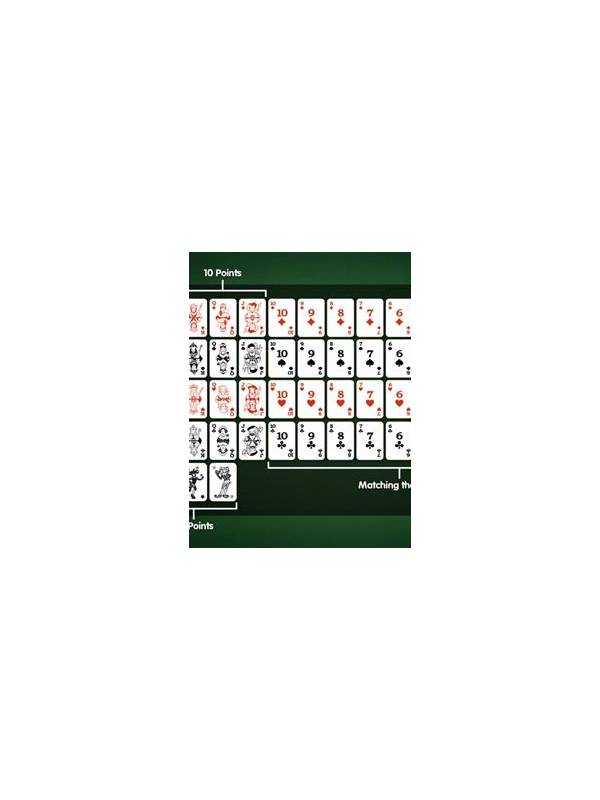
Rummy How-To: Practice the First Thirty Seconds of a Hand Rummy How-To: Practice the First Thirty Seconds of a Hand
A short opening routine helps you identify requirements, structure, and risk before the hand becomes busy. [...]
A short opening routine helps you identify requirements, structure, and risk before the hand becomes busy. [...]
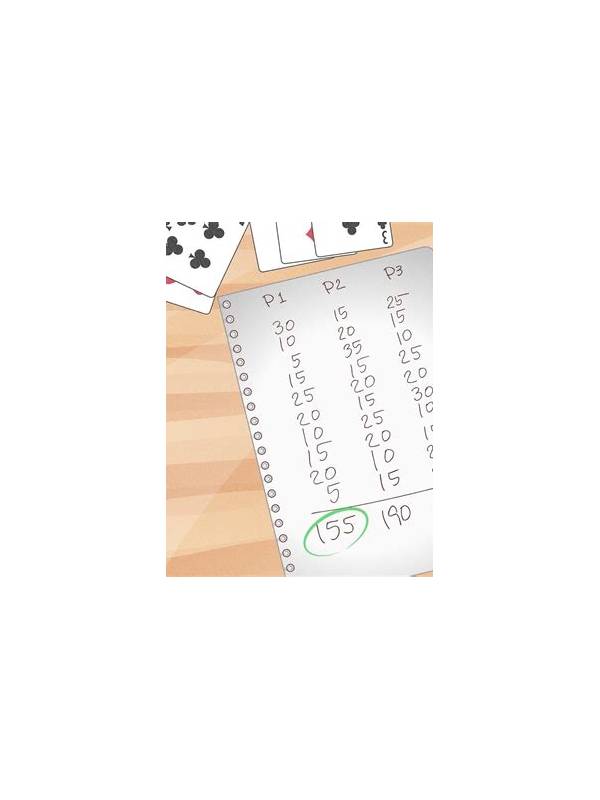
Rechecking rules at key moments prevents assumptions from turning into invalid declarations or poor choices. [...]
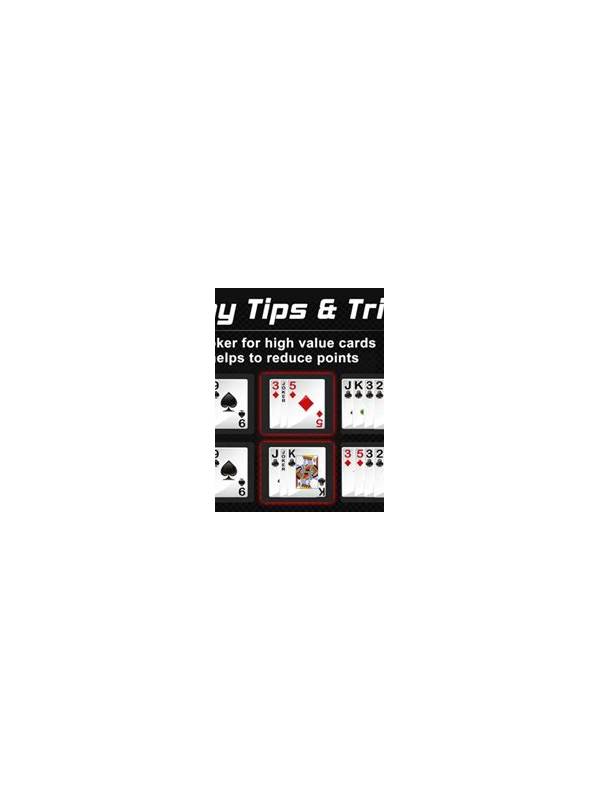
Clear labels for hand states make decisions and post-session reviews more precise. [...]

A compressed hand has too many cards depending on too few outcomes, and recognizing it early can restore flexibility. [...]

Warning signs in promotional messages can help players avoid rushed spending and misleading promises. [...]
Fixed and adaptive card sorting each have benefits, and the best choice depends on the hand’s current structure. [...]

Three quick questions can catch legality, penalty, and flexibility problems before a discard is confirmed. [...]

Small changes in public information, score, or remaining turns can make different decisions correct for similar-looking hands. [...]

Considering penalty-heavy cards early can prevent a nearly complete hand from ending with avoidable damage. [...]

An information ledger helps organize visible cards, assumptions, and changing possibilities during a rummy hand. [...]