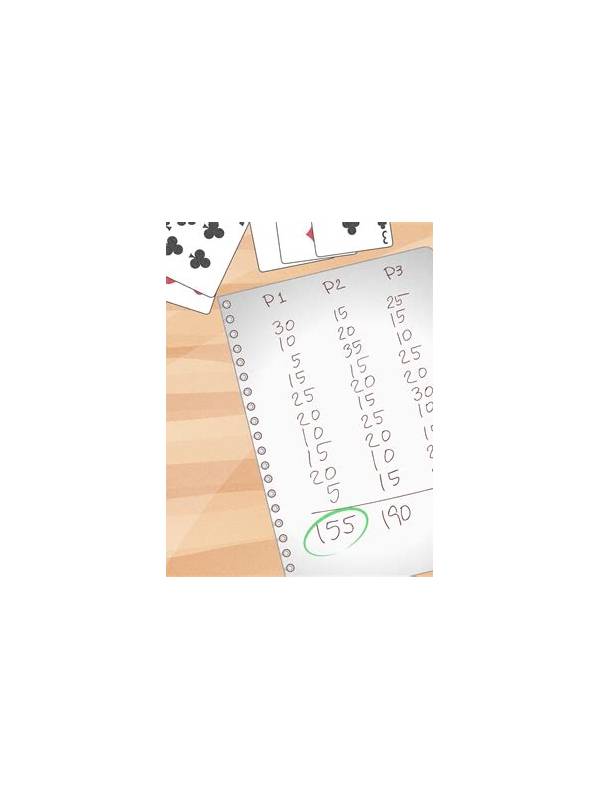
Rummy FAQ: When Should You Ignore a Likely Draw? Rummy FAQ: When Should You Ignore a Likely Draw?
Even a plausible draw can be a poor choice when it conflicts with rules, timing, risk, or a stronger existing structure. [...]
Even a plausible draw can be a poor choice when it conflicts with rules, timing, risk, or a stronger existing structure. [...]
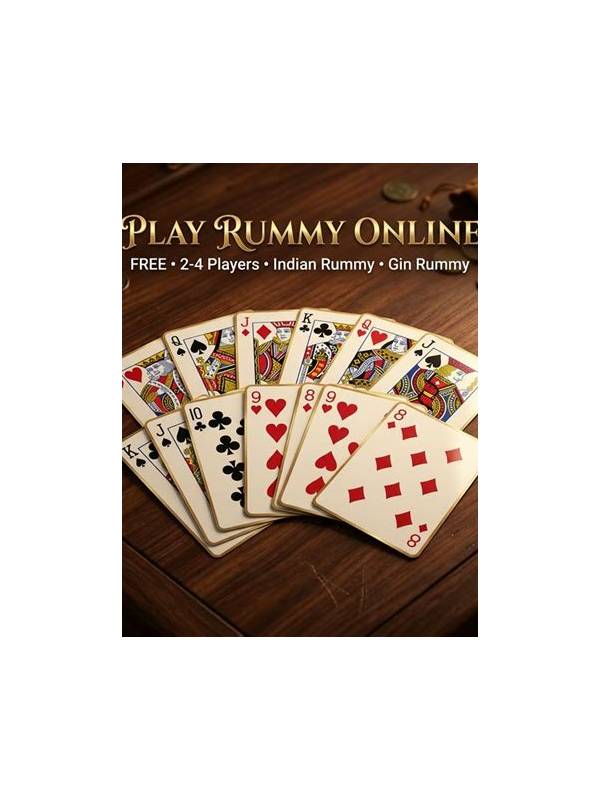
A practical way to judge cards by the jobs they can complete rather than by how promising they look. [...]
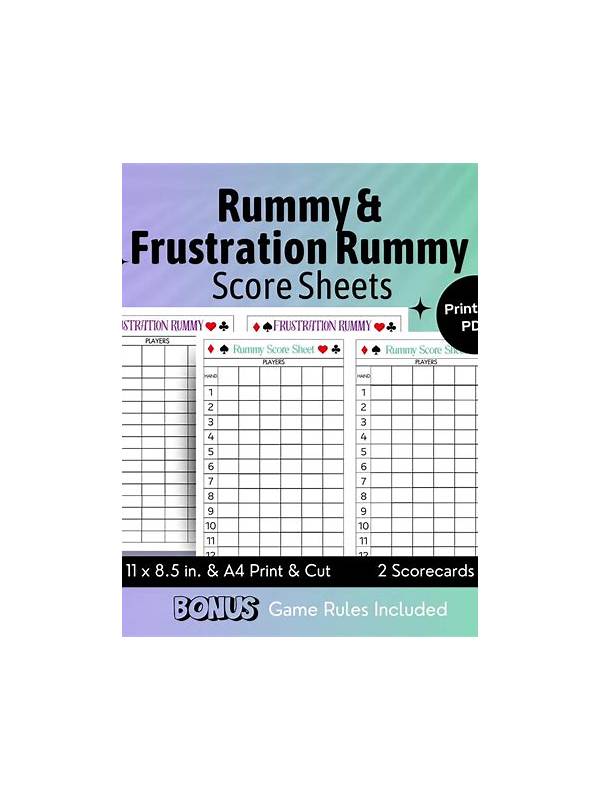
A simple plan-quality score helps compare rummy options by progress, flexibility, cost, and rule confidence. [...]
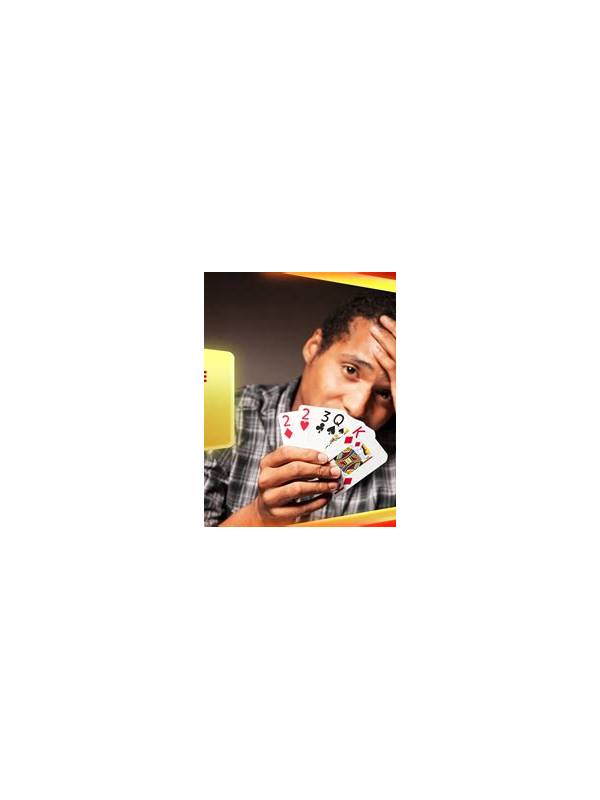
A disciplined method helps players interpret mixed discard signals without treating one visible card as proof. [...]
Looking at what a rummy hand cannot support can reveal which cards deserve less commitment. [...]
Timed practice can improve rummy decision speed when it measures clear reasoning rather than frantic clicking. [...]
A short link check can reduce phishing risk before you enter an account password or payment-related information. [...]
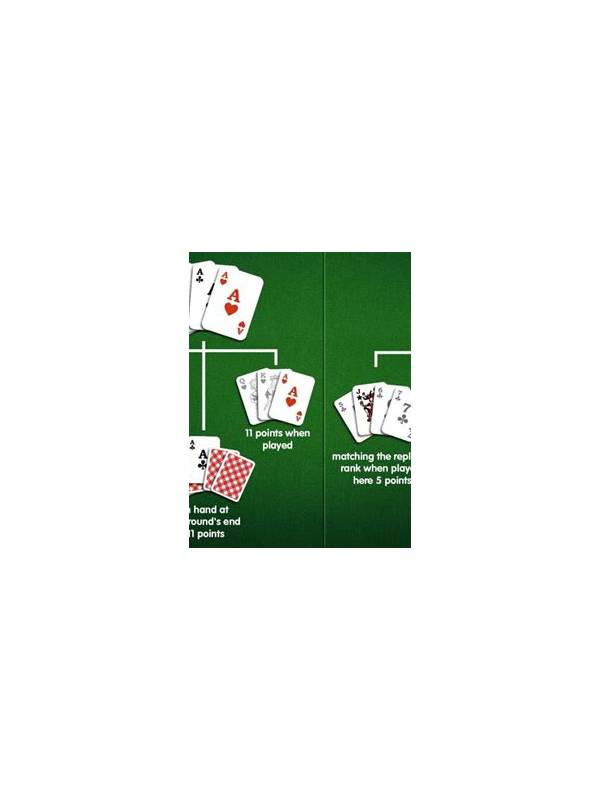
Comparing raw card count with useful connections explains why a smaller-looking plan can sometimes be stronger. [...]
A reversible discard is a choice that preserves several future plans and is easier to correct if the next draw changes the hand. [...]

Clear risk language makes rummy planning more honest by distinguishing a possibility, a preference, and a requirement. [...]