Rummy Card Duplication Errors: Check Your Hand Before Declaring
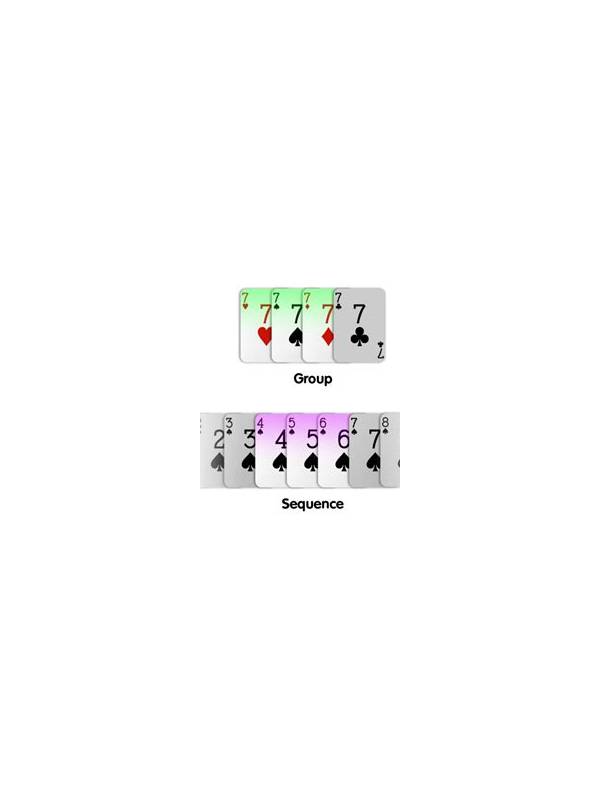
One of the easiest rummy errors to make is using one card in two groups while mentally arranging the hand. A 7 of hearts may seem to complete a sequence and also help a set, but the physical card can belong to only one group. A careful audit before declaring protects against this simple but costly mistake.
Arrange the hand into separate groups with a visible boundary between them. Do not evaluate a sequence and set while leaving all cards in one row. For each group, say what it is: natural sequence, impure sequence, or set. If you cannot name the group confidently, it is not ready for the declaration check.
Next, count the cards in each group and compare the total with the hand size. In a thirteen-card game, the groups must account for all thirteen cards exactly once. The count is not proof of legality, but it catches a missing card, an extra card, or a card that has been mentally reused. If a group contains a joker, identify the card it is representing and make sure the surrounding natural cards support that interpretation.
Inspect sequences from left to right. Confirm that every natural card has the same suit and that each rank advances by the required step. Then inspect sets by rank. Confirm that the ranks match and that the suits meet the table’s restrictions. Some versions limit duplicate suits in a set or define special rules for jokers, so use the active help page as the reference.
A useful physical method is to touch each card once while reading the groups aloud. Another is to move each confirmed card into a “checked” area. Digital tables may offer automatic grouping, but visual grouping is still worth reviewing because suggestions can reflect a different interpretation of a variant’s rules.
Pay special attention to the pure sequence requirement. Players sometimes see two attractive groups and forget that both contain a joker. Mark the natural sequence first, then build the rest around the cards that remain. If no natural sequence exists, do not declare simply because the total count looks correct.
Make this audit routine rather than an emergency response. It takes only a few seconds and separates a promising arrangement from a valid one. In rummy, organization is not decoration; it is a practical safeguard that ensures every card has one clear job.
If you play on a phone, enlarge the card view or switch to a layout that shows suit and rank clearly. A quick pause to inspect a small symbol is worthwhile. Ask another player to verify the rules, not to choose your groups. The final arrangement should remain your own, and the verification should be based on the same published rules for everyone.
Related Post

Rummy Card Sorting for Small Phone Screens
A compact sorting routine makes thirteen-card rummy hands easier to inspect on a small mobile [...]
Rummy App Interface Map: Know Where Each Action Lives
Make a quick private map of an unfamiliar rummy app before playing a serious round. [...]