A Quiet Table Setup for More Careful Rummy Decisions
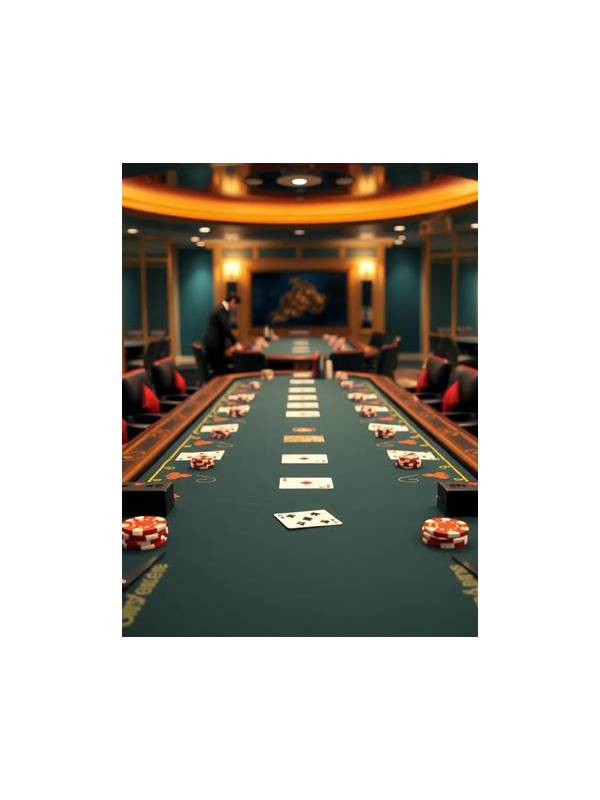
A good rummy decision requires attention to your hand, the visible discards, turn order, and the rules of the format. Noise and interruptions make that information harder to process. A quiet table setup cannot improve the cards, but it can improve how reliably you respond to them.
Start with the device. Charge it before a session, close unrelated notifications, and use a stable connection. These steps are practical rather than strategic, yet a frozen screen or repeated alert can cause missed information. If you play on a phone, clean the screen and choose a position that keeps the cards visible without glare.
Prepare a small mental workspace. Before joining, know the session length and the limit you have chosen for yourself. Decide where you will pause if you become tired or distracted. A preset stopping point removes the need to negotiate with yourself after every result.
During play, use a short attention routine at the start of each turn. Confirm whose turn it is, inspect the top options, and check the cards you are most likely to release. Then make the draw and reassess. The routine is deliberately simple. It reduces the chance that a dramatic discard or a fast opponent will determine your action.
Keep conversation and media separate from the table if they divide your attention. If you must step away, use the platform’s proper pause or exit controls rather than leaving a hand in an uncertain state. Respect other players’ time and your own focus.
After the session, note whether the environment helped. Were you rushing because of noise, fatigue, or a low battery? Was the table speed suitable? These observations can guide the next setup. Keep water nearby, stretch between hands, and stop if physical discomfort reduces attention. A calm environment is not a performance guarantee, but it supports clear thinking and makes responsible limits easier to follow. Readable text, suitable brightness, and reduced animations can also help. The best setup is comfortable enough to repeat and simple enough that it does not compete with the decisions. Protecting attention is part of preparing to play. If your surroundings remain disruptive, shorten the session rather than lowering the quality of your checks. A shorter focused session is more useful than a long distracted one. Preparation should make careful decisions easier, not add another source of pressure. Choose a setup you can maintain consistently. Consistency matters more than elaborate equipment.
Related Post
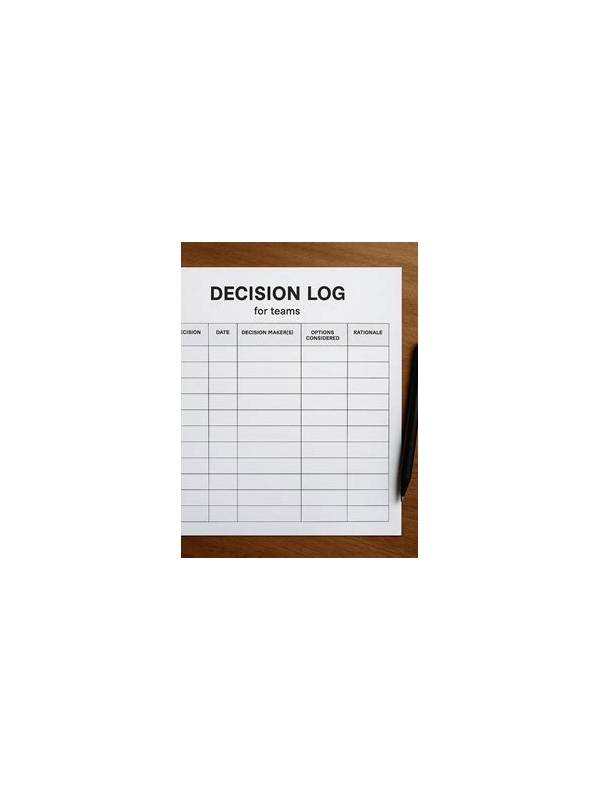
Rummy Guide: Use a Decision Log for Repeated Mistakes
A small decision log can reveal recurring habits that are hard to notice during play. [...]
Rummy Guide: Track Requirements Instead of Every Possibility
Focusing on the hand’s requirements keeps decision-making clear when many combinations seem possible. [...]