Rummy Card Notation for Better Practice Reviews
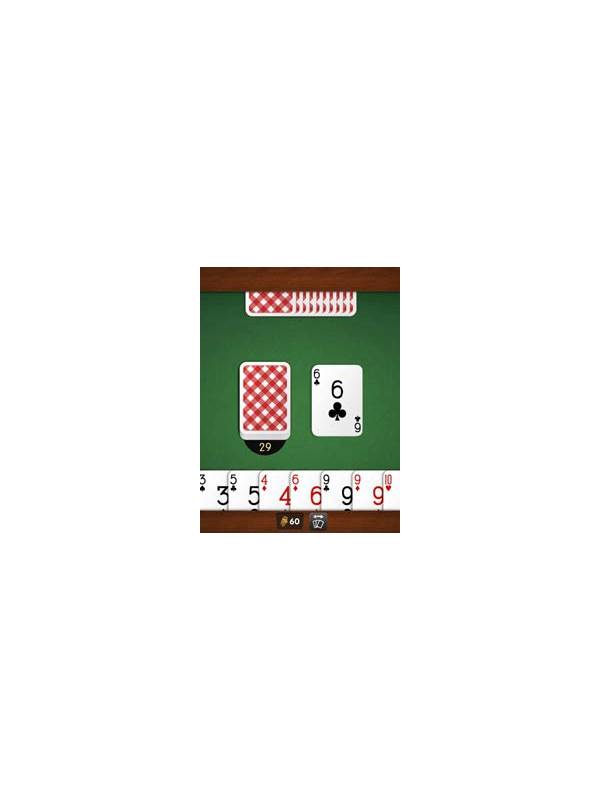
Card notation is useful when you want to study rummy away from the table. It lets you record a hand, a draw, and a discard in a few lines instead of relying on memory. Keep the system simple enough to use consistently; a complicated code is unlikely to survive a busy session.
Choose one symbol for each suit and write the rank beside it. For example, you might use H for hearts, D for diamonds, C for clubs, and S for spades. A hand can then be grouped by possible sequences and sets. Mark a joker with J or a symbol of your choice, but write down whether it is wild under the particular rules you are studying.
Record actions in order. A line such as “draw: 7H; discard: KC” is enough for a practice review. If a visible discard was available, mark that separately so you remember why the choice mattered. Do not record passwords, transaction references, or other sensitive account data alongside your notes.
At the end of each turn, add one short intention: “protect pure sequence,” “reduce high points,” or “test a connector.” This is more helpful than writing a long explanation after the result is known. During review, compare the intention with the actual discard. If the discard did not support the intention, investigate whether the plan changed or the action became automatic.
Notation also supports scenario practice. Write a sample hand, remove one card, and list two possible draws. For each draw, choose a discard and explain the trade-off in one sentence. You are not predicting the future; you are practicing how to compare options with incomplete information.
Keep reviews dated and separated by format. Rules for sequences, jokers, and scoring may differ, so mixing examples can create false lessons. Once a week, look for recurring patterns such as keeping too many isolated cards or forgetting the point cost of a late discard.
The purpose of notation is clarity, not volume. A small, readable record of five meaningful decisions can teach more than a detailed transcript of every card. Use it with practice games or low-pressure sessions, and stop writing if it distracts you from the current turn. For privacy, use neutral labels for opponents and omit usernames from shared notes. If you review a screenshot, crop it to the cards and public action rather than storing the whole account screen. The purpose is to study decisions, not to create a personal archive of other players. A clean notation habit should support learning while respecting the people involved.
Related Post
Rummy Safety: Verify Rules Before Choosing a New Format
Checking format rules before play reduces confusion about requirements, scoring, and declarations. [...]
Rummy Strategy: Use a Turn-by-Turn Commitment Meter
A simple commitment scale helps you notice when a promising idea has become too expensive [...]