Rummy Comparison: Broad Draws Versus High-Value Draws
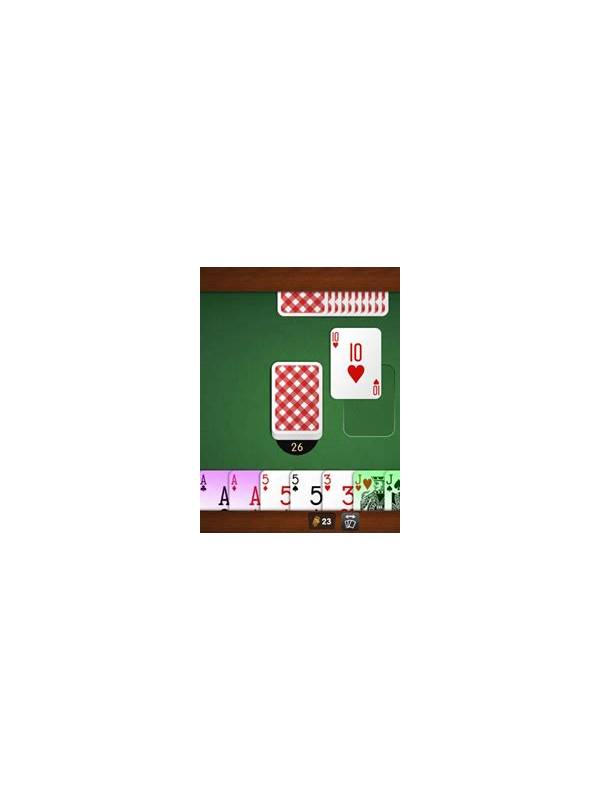
Players often describe a hand as “waiting for the best card.” That phrase hides an important choice. Some routes are broad: many different cards improve them a little. Other routes are narrow but powerful: one specific card completes a valuable structure. Comparing these routes helps you choose whether to preserve flexibility or pursue a sharper finish.
Start by listing the improvement for each route. A broad draw might turn several connected pairs into useful sequences, while a high-value draw might complete a pure sequence or required group. Then separate immediate legality from general improvement. A card that makes a group look better is less important if it does not help satisfy the format’s main requirements.
Count plausible improving cards, but do not treat the count as a promise. The discard history, cards in your hand, and visible table actions may reduce the practical availability of some cards. Use a range rather than false precision. “Several cards help” is often a better description than an exact probability that depends on assumptions you cannot verify.
Now compare the cost of waiting. High-value cards held for a narrow draw can increase your potential penalty if the route fails. A broad route may produce smaller improvements but allow you to discard safely after each turn. The right choice can change with the stage of the hand. Early play usually rewards information and flexibility; late play usually rewards the route with fewer remaining tasks.
Consider the effect on your other structures. A narrow draw may use a bridge card that currently supports two plans. A broad draw may preserve that bridge but leave a high card stranded. Evaluate the whole hand rather than ranking a single pair in isolation. Also check whether a joker changes the comparison; it may widen one route while creating a rule requirement elsewhere.
Choose the broad route when it has several credible improvements, low holding cost, and a clear way to convert gains into legal groups. Choose the high-value route when it satisfies a critical requirement, has a realistic chance of arriving, and does not leave the rest of the hand dangerously heavy. Review the choice after the next draw. A flexible plan is good only while the evidence supports keeping it. A broad route can also be valuable when you are uncertain about the table’s pace or another player’s plan. It gives you more ways to respond to new information. A narrow route is more appropriate when the broad alternatives would leave too many cards unresolved. The comparison is therefore dynamic: reassess after each meaningful draw instead of treating the initial choice as a permanent commitment.
Related Post

Rummy FAQ: How Does a Useful Card Become a Liability?
A card that once improved several combinations can become dangerous when the hand changes, and [...]
Rummy Table Pace: Adjust Your Thinking to Different Speeds
A flexible decision routine helps players stay accurate when table speed changes. [...]