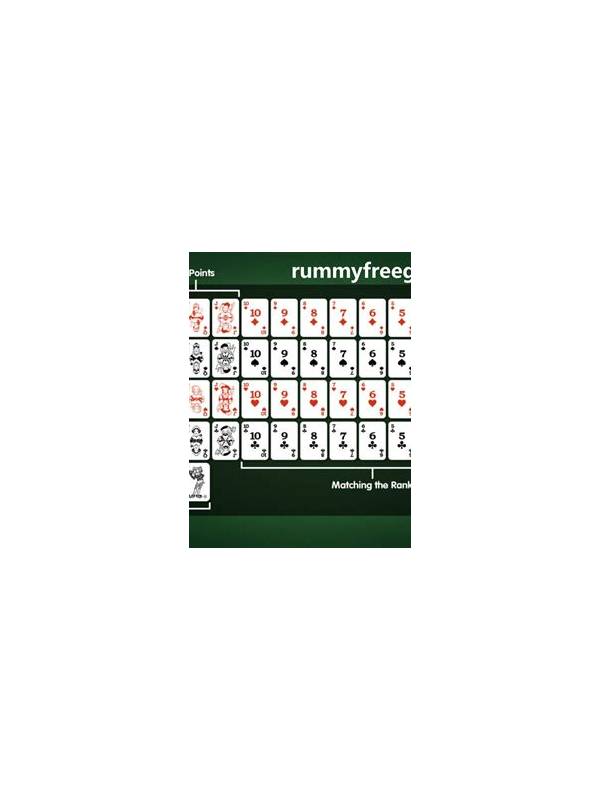
Rummy Comparison: Early Discarding Versus Early Conservatism
Early in a rummy hand, players often choose between clearing isolated cards quickly and holding several possibilities for future development. Neither approach is always correct. The useful comparison is between the certainty of reducing clutter and the option value of preserving flexible cards.
Early discarding works well when a card is high, isolated, and unrelated to a required route. Removing it lowers future penalty and gives each later draw a clearer job. It can also prevent emotional attachment to a card that has never had realistic support. This approach is strongest when the rest of the hand already contains a credible structure.
Early conservatism is useful when several cards overlap across plausible sequences. Discarding too quickly can destroy the only natural route to a pure sequence or force a narrow replacement. Holding a flexible connector for another turn may be justified when it has multiple useful neighbors and low penalty. The key is to hold it deliberately, with a reassessment point.
Compare the cost of each mistake. If keeping the card costs little and preserves several routes, caution has value. If keeping it blocks the hand, carries a large score, or depends on one unlikely card, clearing is more attractive. The same card can switch categories after a new draw or a visible discard.
Set a limit on waiting. For each speculative hold, decide what evidence would change your mind: a second missed draw, a required card appearing in the discard pile, or a stronger route forming elsewhere. This prevents conservatism from becoming passive hope. Likewise, do not discard a card merely to feel productive when it supports the hand’s central requirement.
Review the choice by process rather than result. A cautious hold may be correct even when the card never arrives; an early discard may be sound even when the discarded card later appears useful. Judge whether the information available at the time supported the decision. That habit leads to steadier strategy than measuring every move by luck. You can test the comparison with duplicate practice hands. In one version, discard the obvious isolated card early; in another, hold a flexible connector for a defined number of turns. Record how many useful routes remain after each move and what penalty is exposed. The exercise shows where your personal threshold lies. It also demonstrates why a strategy that works in an open early hand may be poor when the table is fast or an opponent is close to finishing. Conditions should influence the balance between clearing and preserving.
Related Post
Rummy Tips: Use a Two-Pass Sort on Every New Hand
A two-pass sorting routine separates quick structure from deeper analysis when a new rummy hand [...]
Rummy Connection Distance: Measuring How Much a Card Needs
Counting the distance between cards offers a practical way to compare promising and speculative combinations. [...]