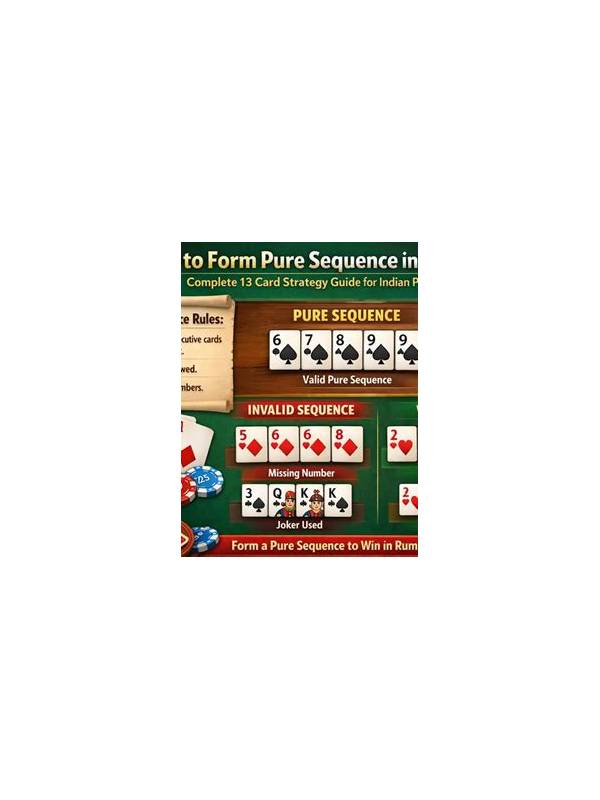
Rummy Comparison: Practicing Against Examples Versus Practicing Live

Practice examples and live hands both have value, but they answer different learning needs. Examples allow slow inspection and repetition. Live play adds time pressure, changing information, and the need to act before every uncertainty is resolved.
Strengths of examples
With a static hand, you can identify structures, list useful cards, and compare several discards without the next draw changing the question. This is ideal for learning rules, vocabulary, and basic route comparison. You can also revisit the same example later to see whether your reasoning has become clearer.
The weakness is that examples can hide timing pressure. A player may find a good answer with unlimited time but fail to recognize the same pattern during a live turn.
Strengths of live practice
Live hands train attention, pacing, and updating. Public discards arrive in sequence, and a route that looked attractive may become weaker. Live practice shows whether your checklist is short enough to use in real time.
Its weakness is noisy feedback. The result may reflect a random draw, an opponent’s action, or a rule misunderstanding. Without notes, it is easy to treat one outcome as proof that a decision was right or wrong.
Combine them deliberately
Use an example to prepare one skill, then test that skill in a short live block. For instance, study how to identify overloaded bridge cards, then review only that feature during several hands. Do not attempt to practice every strategic idea at once.
After live play, return to an example or reconstruct a simple position. Ask whether the pressure changed your reasoning. This loop connects knowledge with execution without making every session a high-stakes test.
Protect the learning environment
Keep practice within the applicable rules and use only resources you are permitted to use. Separate training notes from account credentials and never treat a live result as a reason to increase pressure or spending. The strongest practice routine is repeatable, reviewable, and easy to stop.
Vary the practice order occasionally. Some days begin with a static example and end with live play; other days begin with a short live block and use an example to investigate one confusing position. Keep the objective constant within a block so the comparison remains meaningful. If a live setting creates too much pressure to observe clearly, return to examples and rebuild the skill gradually. Keep a simple measure for each mode. In examples, count whether you could state a legal route and a fallback. In live play, count whether you followed the same checklist within the available time. The measures should reflect the practice objective, not the number of wins. This makes progress visible even when outcomes vary.
Related Post
Rummy Safety: Set Boundaries for Promotional Messages
Practical steps for evaluating promotions without letting urgency or repeated notifications control your play. [...]
Rummy Guide: Build a Small Observation Window
A small observation window helps players notice meaningful changes without trying to remember the whole [...]