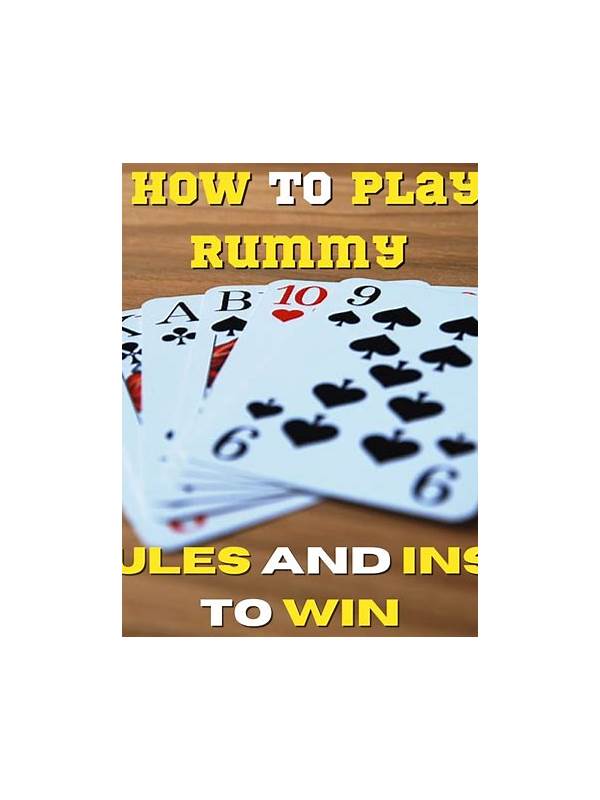
Rummy Comparison: Fast Review Versus Detailed Review

A hand review does not need to be long to be useful, but a longer review can reveal patterns that a quick check misses. The best approach is to match review depth to the purpose. Use a fast review for immediate correction and a detailed review for deliberate practice.
A fast review takes one or two minutes. Record the turn where the hand changed, the discard you made, and the main reason for it. Then ask whether the choice was legal, whether it reduced the most urgent problem, and whether a clear alternative existed. Stop after identifying one lesson. A fast review is easy to repeat after every session and avoids turning recreation into paperwork.
A detailed review examines the whole decision sequence. Reconstruct the opening hand, mark when structures appeared, and note what information was visible before each major discard. Compare the chosen move with one plausible alternative. Identify whether you protected a route because of evidence or because it looked attractive. Detailed work is especially helpful when the same mistake appears repeatedly.
The two methods can support each other. Start with a fast review after a hand, then save positions that remain confusing for a weekly detailed review. This keeps ordinary sessions manageable while preserving difficult examples for deeper learning. Do not review every card with equal intensity; focus on turning points, such as a discarded flexible card, a missed requirement, or a plan that lasted too long.
Results should be treated carefully. A fast win can contain a poor process, and a detailed review of a loss may show that the decision was reasonable. Record what was knowable at the time rather than judging only from the final draw. This distinction protects practice from hindsight bias.
Choose fast review when your goal is consistency and quick feedback. Choose detailed review when you are studying a recurring pattern or preparing to change a habit. Both are valuable when they produce a specific next-session action, such as setting a review deadline for pairs or checking the pure sequence earlier.
Keep review notes private and practical. A few sentences are enough if they identify the position, the alternative, and the lesson. Do not turn a review into a score of your character or intelligence. Decisions are made under incomplete information, and a calm record makes it easier to notice patterns without exaggerating one unlucky hand.
Date the note and revisit it after several hands. A single example can be unusual, while a repeated pattern deserves a change in routine. This spacing makes the review more representative and prevents one memorable result from dominating your conclusions.
Related Post
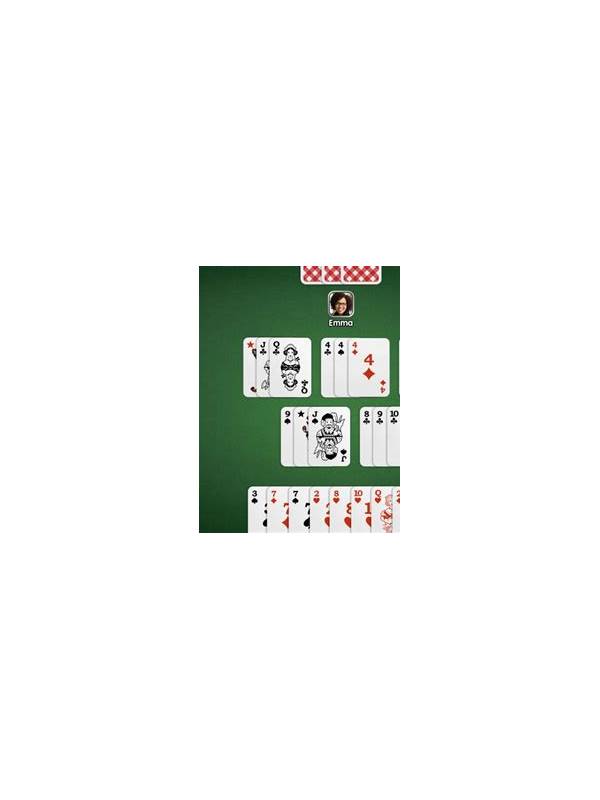
Rummy Table Entry: A Quiet Pre-Join Checklist
Check rules, pace, and personal limits before entering an unfamiliar rummy table. [...]
Rummy Safety Guide: Set a Spending Limit Before Play
A limit chosen before a session creates a simple boundary that is easier to respect [...]