Rummy Comparison: Fixed Plans Versus Adaptive Plans
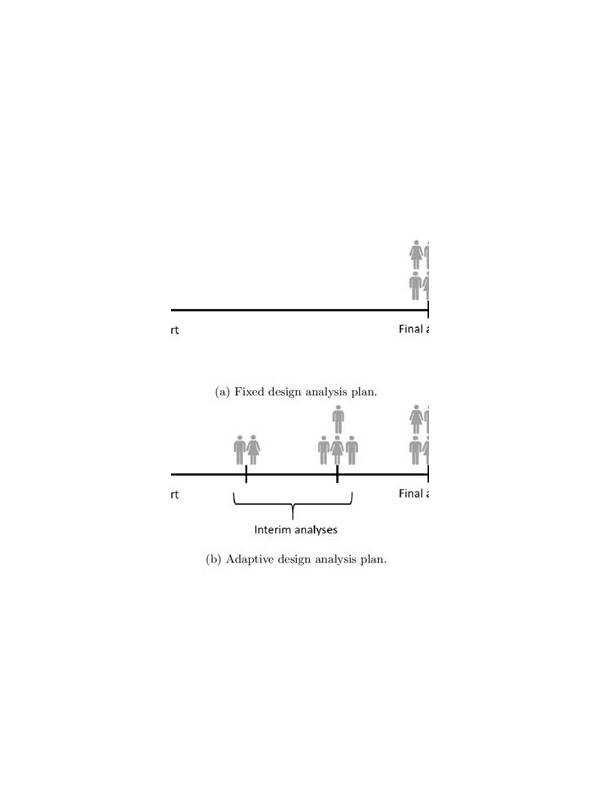
A fixed plan gives a hand direction. You decide which groups matter, which cards are expendable, and which draws justify a change. This reduces mental clutter and protects you from reacting to every possibility. For a beginner, a fixed plan creates a repeatable process rather than a stream of impulses.
The weakness is commitment. A player may keep a pair or chase a gap simply because it was part of the original plan. The plan becomes an identity instead of a tool. Fixed planning is strongest when the starting structure is clear, required cards are reachable, and the format rewards completing that shape.
An adaptive plan treats each draw as new information. When a card completes a stronger group or makes the original path too narrow, you change direction. This protects against sunk-cost thinking and helps you respond to table information. Adaptation is not random switching: the new plan still needs a reason, a completion path, and a sensible discard.
Its weakness is overreaction. Some players abandon a sound arrangement after one unhelpful draw or chase every interesting card. Frequent switching creates partial groups and makes the hand harder to finish. Adaptation works when changes are triggered by evidence, such as a completed group, a broader route, or a late need to reduce points.
Use a fixed plan with review points. After the deal, choose a primary shape and backup. After a meaningful draw, compare them using certainty, reach, and discard cost. Switch only if the alternative improves the whole hand. Near the end, prioritize legal completion and damage control according to the rules.
This hybrid method preserves direction while allowing evidence to matter. Record why you changed plans, not merely that you changed. If you cannot state the reason simply, you may be reacting emotionally. If a plan has lost all support, refusing to change is also an error. Good planning is stable enough to resist noise and flexible enough to recognize improvement. +An adaptive player can also preserve one stable anchor while exploring a change. Keeping one confirmed group intact limits the damage caused by experimentation. If a new route fails, return to the anchor and use the discard ladder. This creates flexibility with a safety rail, rather than requiring the entire hand to be rebuilt after every draw.
Related Post

Rummy Tips: Make Your Hand Review Order Consistent
A fixed review order helps players inspect legality, structure, risk, and next actions without overlooking [...]
Rummy How-To: Build a Small Table-State Card
A four-line table-state note can keep your decisions grounded in the information actually available. [...]