Rummy Comparison: Flat Goals Versus Milestone Goals
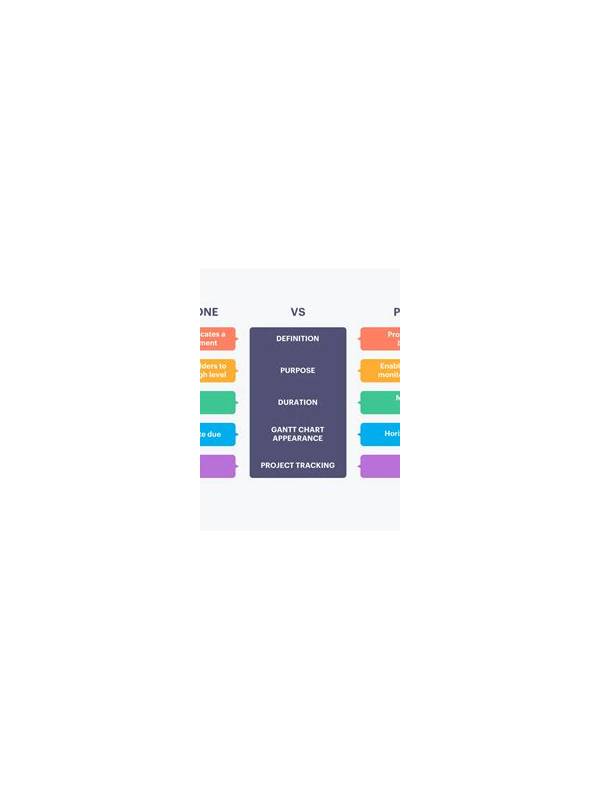
“Play better rummy” is a reasonable ambition but a weak session goal. It gives no clear behavior to observe. A flat goal is broad and constant, such as making fewer mistakes. A milestone goal divides improvement into a small sequence, such as scanning every hand before the first discard and reviewing one overlap after play. Both styles can help, but they serve different purposes.
Flat goals are easy to remember. They are useful when you want a general boundary, such as staying patient or following the rules. Their weakness is measurement. A single result can make the goal feel successful or unsuccessful even when the underlying behavior was mixed. Flat goals also encourage attention to outcomes rather than decisions.
Milestone goals are narrower. A session might have a pre-play milestone, a turn milestone, and a review milestone. For example, you can identify two plausible routes before discarding, state the purpose of one uncertain hold, and record one decision after the hand. These actions are visible and can be checked independently of whether the hand wins.
The tradeoff is mental load. Too many milestones turn practice into paperwork and may slow ordinary play. Choose one main milestone and one optional observation. If the main goal is discard reasoning, do not also track every opponent action, every probability, and every timing detail.
A useful hybrid is to keep one flat value and convert it into a milestone. “Play calmly” becomes “pause for one breath before a risky draw.” “Improve sorting” becomes “use the same layout for five hands.” At the end, ask whether the behavior occurred and whether it helped you notice better information. Adjust the milestone only after a fair sample.
Milestones should be flexible enough for different formats. The exact legal groups or scoring rules may vary, so write goals around observation and process rather than unsupported assumptions. The best goal makes the next decision clearer without promising a particular result.
For example, a broad goal of “improve endgame accuracy” can become the milestone “before a declaration, name every group and its rule status.” After five hands, count how often you completed the check and whether it caught an actual issue. If the milestone is automatic, replace it with a slightly harder one. This keeps practice progressive without treating every loss as evidence that the routine failed. You can review milestones at the end of a week rather than after every hand. Look for a behavior that is becoming reliable and another that still needs attention. Keep the reliable habit in the background while giving the next weak behavior a clear, limited target. This avoids changing goals simply because one session felt difficult.
Related Post
Rummy Turn Notes: A Simple Way to Track Useful Information
Learn how brief turn notes can improve memory and decision quality during a rummy hand. [...]
Rummy Rule Variations: Confirm Details Before You Play
Checking small rule differences early can prevent avoidable disputes about groups, turns, and scoring. [...]