Rummy Comparison: Manual Notes Versus In-App Statistics
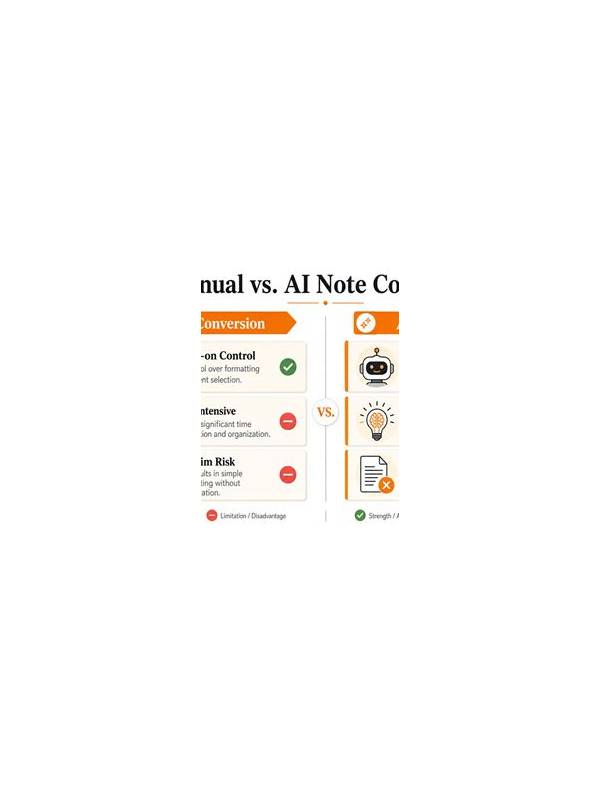
In-app statistics and personal notes answer different questions. Statistics may show games played, outcomes, or totals. Notes can capture why you made a choice, what you noticed, and whether a rule was followed. Comparing both gives a more balanced view of progress.
Platform statistics are convenient and consistent. They can reveal broad patterns over many sessions, such as how often you finish a format or how results change with different table types. Their limitation is context. A number rarely explains whether a loss came from a risky opening, a connection issue, or a deliberate practice goal.
Manual notes are slower but richer. After a hand, write the format, one important decision, and one question. Keep the entry brief enough that you will continue. Useful examples include “I protected a pair but lost the pure-sequence route” or “I changed plan after the discard signal.” Avoid recording only the result, because results do not explain the process.
Privacy matters with both methods. Check what a platform records, who can see it, and whether accounts are shared. Do not place payment details, passwords, or private identity information in a practice notebook or public chat. A simple local note with no sensitive data is often sufficient.
Review the sources together once a week or after a defined number of hands. Use statistics to choose a broad area, then use notes to identify a behavior. For example, a disappointing result in a format may be connected to repeatedly entering with narrow plans. The statistics locate the pattern; the notes suggest the experiment.
Neither source is a verdict on skill. A small sample can mislead, and notes can contain biased memory. Keep the language neutral and collect enough examples before changing your approach. The best tracking system is the one that stays private, brief, and useful for the next decision.
You can also compare intended practice with actual behavior. If the session goal was to set a deadline for narrow draws, add a simple yes-or-no mark for whether you did it. This measures habit formation directly. Outcome statistics may fluctuate, but a behavior record can show whether the experiment was actually performed before you evaluate its effect.
Use a consistent date range and format when reviewing. Comparing a short points game with a longer pool game can produce misleading conclusions because the decisions and incentives differ. Separate the categories first, then look for repeated behavior within each one. Clear categories make a small notebook more informative.
Related Post
Rummy FAQ: What Makes a Card a Good Connector?
Learn how suit, rank distance, and alternative uses determine whether a card is genuinely useful. [...]
Rummy Tips: Recognize a Dead-End Draw Before It Costs a Turn
A dead-end draw has little support and few fallback uses, so identifying it early improves [...]