Rummy Comparison: A Narrow Draw Versus a Clean Discard
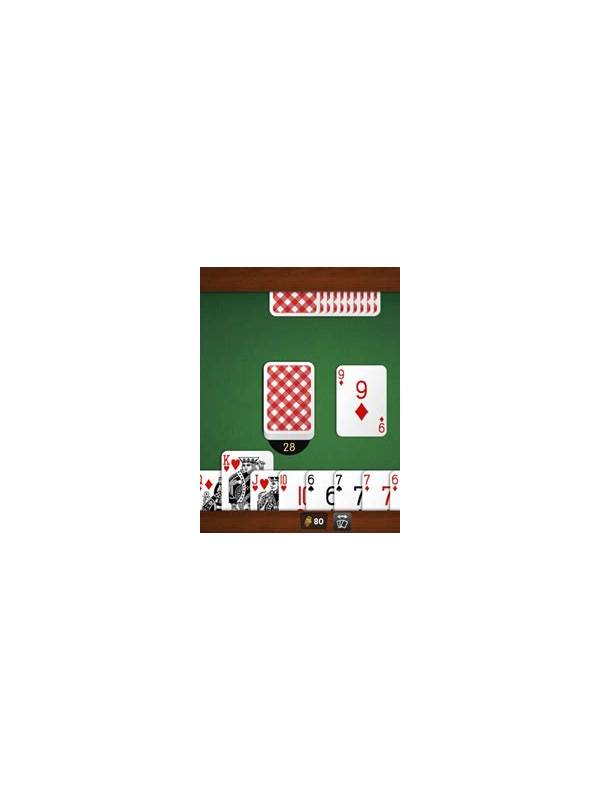
Rummy often presents a choice between keeping a narrow draw and discarding a card that is currently unhelpful. The draw offers a possible improvement, while the clean discard reduces clutter immediately. Neither choice is automatically correct. The better option depends on completion chances, penalty, and how many other plans remain available.
Start by describing the narrow draw precisely. Name the exact rank, suit, or small group of cards that would improve it. If you cannot identify the needed card, the draw is probably not a plan yet. Count how many useful outcomes exist and whether each outcome creates a legal structure or merely makes the hand look nicer.
Now inspect the cost of waiting. What card must remain in your hand while you wait? If it is expensive, isolated, or difficult to discard later, the narrow draw needs a strong justification. Also consider what you lose by keeping it. A card that could support a broader route may be more valuable than the narrow possibility.
The clean discard has its own benefit. Removing a dead card may lower points, improve visibility, and leave space for a more flexible draw. It can also simplify later decisions because you are no longer protecting a weak idea. However, a discard is not clean if it gives away a card that your opponent can obviously use or if it destroys your only credible route.
Use a short comparison: realistic completions, cost of waiting, alternative uses, and discard risk. If the narrow draw wins on several measures, keep it until a defined review turn. If the clean discard wins, release the card without regret. A review point prevents both impatience and stubbornness. The goal is not to avoid uncertainty; it is to make uncertainty visible and keep it within a manageable cost.
The comparison may change as the hand develops. A narrow draw can become broader when a useful neighbour arrives, while a clean discard can become urgent when your remaining cards carry more penalty. Recalculate after meaningful information rather than repeating the same preference. This habit also keeps you from treating an earlier choice as proof that the route must remain correct.
When both choices are close, prefer the action that leaves the next turn easiest to understand. Clarity has practical value: a simpler hand makes new evidence easier to recognize and reduces the chance of a rushed mistake. You are choosing a manageable decision process as well as a set of cards.
Related Post
Rummy Decline Signals: Know When a Route Is Losing Value
Recognize practical signs that a rummy route is becoming expensive to maintain. [...]
Rummy Safety: Avoid Sharing One-Time Codes in Game Chats
One-time codes should remain private even when a message claims to offer account or game [...]