Rummy Comparison: Open Discards Versus Closed Draws
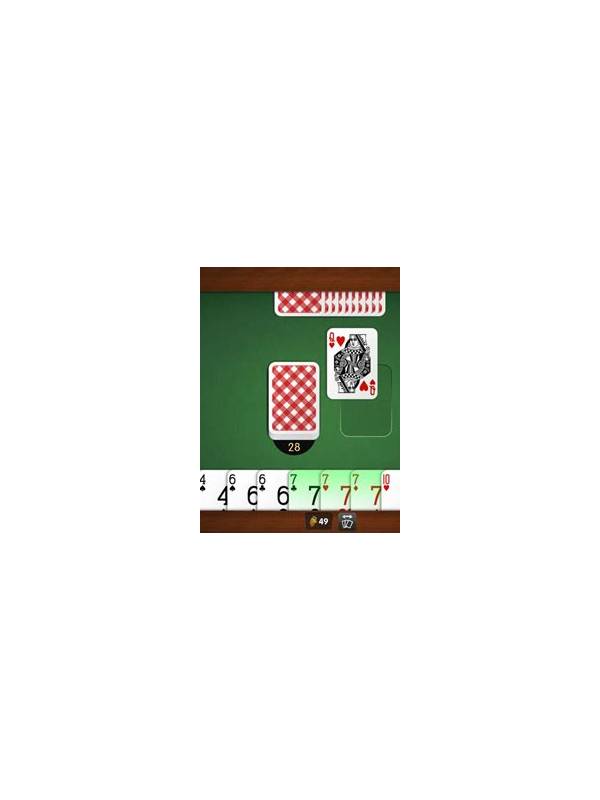
An open discard and a closed draw offer different kinds of opportunity. The discard is visible, so it may complete a known combination, but taking it can reveal something about your plan. The closed draw keeps your intentions less obvious, although the card’s value is unknown. Understanding that trade-off makes the choice more deliberate.
Start with the practical question: does the open card complete or materially improve a group? If it creates a required sequence, reduces a high-cost loose card, or gives a useful alternative route, its visibility may be worth accepting. If it merely makes one speculative pair look nicer, the information it reveals may cost more than the card provides.
The closed draw is not automatically safer. An unknown card may be irrelevant, and drawing it can leave you holding an extra card that needs a quick decision. Still, a closed draw can be useful when your hand is flexible and you do not want opponents to learn which suit or rank you are collecting. Privacy has strategic value when the table is attentive.
Consider the discard pile’s story before taking from it. If several cards of one suit have recently been collected, an obvious pickup may confirm what others already suspect. If your intended card is surrounded by unrelated discards, the signal may be weaker. In either case, do not assume opponents will miss the clue; simply include the clue in your evaluation.
Timing matters too. Early in a hand, preserving options may justify a closed draw. Later, a known card that stabilizes the hand may be worth more than secrecy. A short timer can also change the balance: a visible card with a clear role may reduce decision stress, while an unknown draw can create a difficult rearrangement.
Use a three-part comparison before choosing: what does the card add, what does the pickup reveal, and what is the cost if it does not fit? This method avoids treating open and closed draws as permanent categories of good and bad. The better choice is the one that improves the hand while keeping your remaining decisions manageable.
The same comparison works when a visible card appears attractive but forces an awkward discard. Calculate the whole turn, not just the pickup. Taking a card may require breaking a useful pair, exposing a high-value card, or leaving no sensible discard. A closed draw may be weaker immediately but preserve a cleaner hand. Looking at the complete turn keeps the decision grounded in practical consequences rather than the excitement of seeing a card you hoped to find.
Related Post
Rummy Strategy: Compare Card Value With Information Value
The best discard is influenced by both its points and what it tells other players [...]
How to Handle a Rummy Disconnect Without Panicking
A calm recovery checklist helps you protect your account and understand what happened after a [...]