Rummy Comparison: Drawing From the Pile Versus Drawing Blind
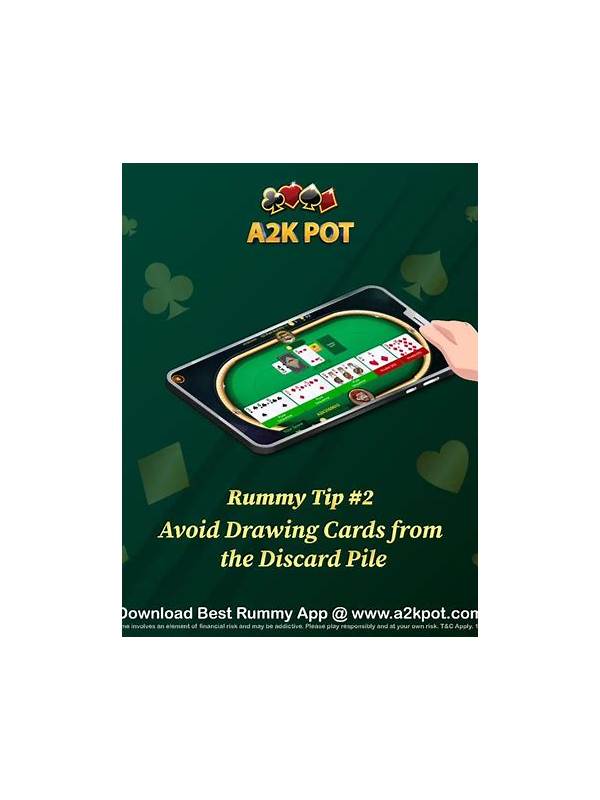
The open discard pile gives information and the closed pile gives uncertainty. Neither source is automatically superior. The better choice depends on what the visible card does for your hand, what it reveals to opponents, and whether taking it forces you to keep a narrow plan.
Start with the immediate improvement. If the open card completes a required sequence or set, its value is easy to explain. If it merely looks attractive, identify the exact cards still needed. A blind draw may be better when the open card supports only one fragile route and your current hand needs a broader option.
Next consider information. Taking a visible card tells opponents that it has a role in your hand. That signal may encourage them to protect related discards or may cause them to misread your plan. Do not overstate either effect. In a short hand, the direct improvement is usually more important than the possibility of being read.
The discard pile can also create a trap. A card that is available now may tempt you to preserve a pair long after the rest of the hand has moved elsewhere. Before taking it, ask whether you would still keep the resulting group if the next two draws were unhelpful. If the answer is no, the open card is an invitation, not a plan.
Use a simple comparison: immediate gain, future routes, and exposure. Give each option a brief description rather than a complicated score. Choose the open pile when it makes a reliable improvement at a reasonable exposure cost. Choose the blind pile when flexibility is more valuable or when the visible card would lock you into a weak idea. Reviewing these choices later will teach you more than counting how often either source produced a win. The choice can change as the discard pile changes. A card that was too exposed early may become reasonable after related cards appear in visible melds, while a once-flexible route can become poor when several outs are gone. Keep the comparison current rather than applying a permanent rule such as always taking from the open pile. In practice, pause long enough to name one benefit and one cost for each source. If the benefits are close, prefer the option that leaves the clearest next discard and the least expensive failure. The choice is also affected by the hand’s stage. Early flexibility can be valuable, while late certainty may matter more. Recheck the table rules before applying any comparison because formats differ in how cards, jokers, and declarations work.
Related Post
Rummy FAQ: When Is a Flexible Card Actually Narrow?
A card is only practically flexible when its possible jobs are legal, plausible, and compatible [...]
Rummy Communication Etiquette for Friendly Home Games
Clear table habits keep casual rummy games enjoyable when players have different experience levels. [...]