Rummy Comparison: Learning From Patterns Versus Single Hands
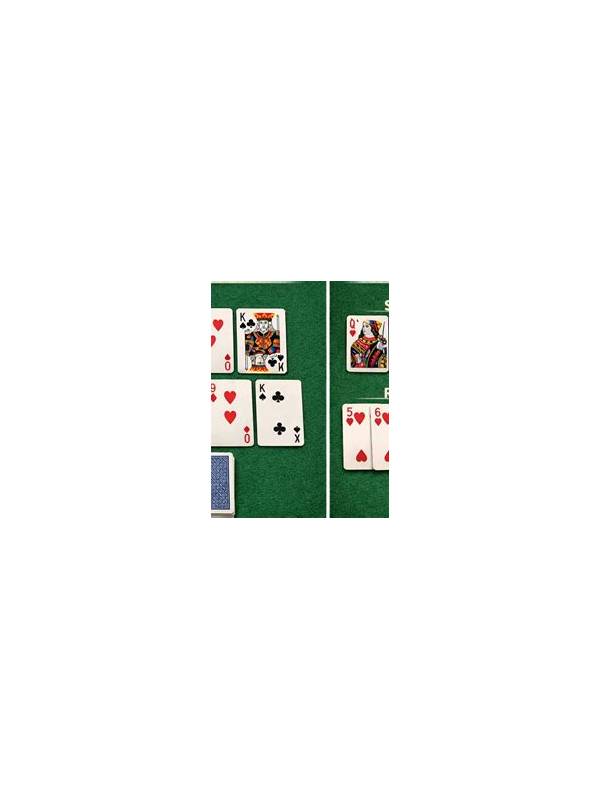
Review patterns only after the sample is large enough to support a question. A single unusual hand may deserve attention, but it should not define your identity or entire strategy.
Keep the sample honest by including ordinary hands, not only memorable ones. Dramatic wins and losses can dominate attention. A balanced set shows what you do in average positions, which is where most long-term habits are formed.
A single hand can teach something important, but it can also be unusually lucky, unlucky, or confusing. Pattern review adds context. It helps you decide whether an event was an isolated mistake or part of a repeated habit.
Begin with the single hand. Identify the decision, the information available, and the alternative you considered. This preserves detail. Ask whether the choice was legal, structurally sound, and reasonable given the uncertainty. Avoid declaring a general lesson from one result.
Then collect a small sample. Five to ten hands are often enough to notice an early signal. Group similar decisions: holding narrow sequences, releasing high-point cards, reacting to opponent pickups, or changing plans after a missed draw. Count actions, not wins. A win does not prove that a habit is good, and a loss does not prove that it is bad.
Patterns should be described carefully. “I kept conditional cards beyond my deadline in four of seven hands” is actionable. “I am bad at rummy” is too broad to guide practice. Add the situation that triggers the habit and the cost it creates. You may discover that the issue occurs only late in a hand or only when a timer is running.
Test one adjustment at a time. If you are studying narrow routes, set a visible deadline for the next few hands. If you are studying rushed discards, use a two-stage review. Keep the sample small enough that the experiment remains understandable. Changing five habits at once makes it impossible to know which one helped.
Patterns can also reveal strengths. Perhaps you consistently protect required structures or recover well after a bad draw. Record these habits so improvement does not focus only on errors. A strength can become a foundation for correcting a weakness.
Finally, repeat the review after the experiment. Did the behavior change? Did the hand quality improve, or did another cost appear? Pattern learning is a loop, not a verdict. Single hands supply detail; groups of hands supply perspective. Together they create a calmer and more reliable way to improve.
Related Post
Rummy Tips: Use a Confidence Ladder for Hand Ideas
A three-level confidence ladder separates confirmed groups from promising ideas and hopeful guesses. [...]
How to Spot a Misread Rummy Group Before Declaring
A deliberate final scan catches suit, rank, and joker mistakes that can invalidate an otherwise [...]