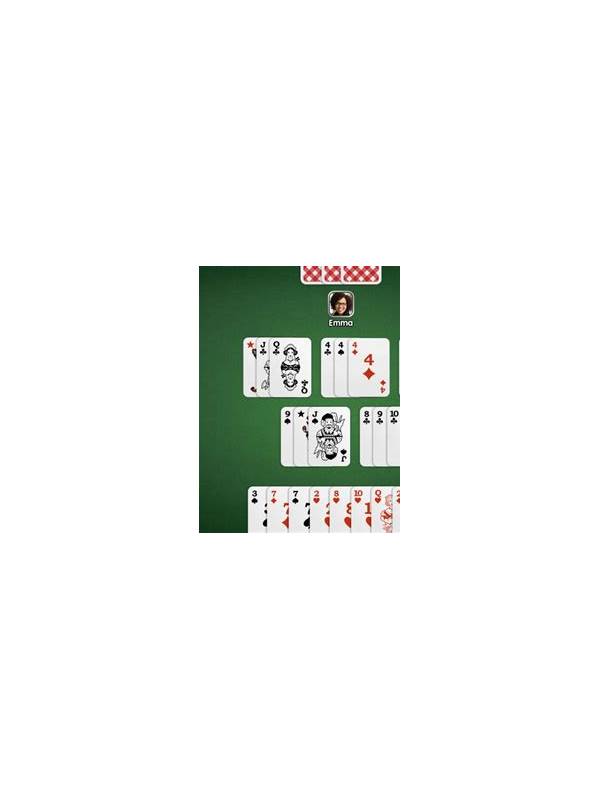
Rummy Comparison: Practice Tables Versus Paid Tables
Practice tables and paid tables can look similar on the screen, but they create different conditions. Practice is useful for learning rules, testing layouts, and observing how the game flows without financial exposure. Paid play adds stakes, account conditions, and a stronger need for budgeting and caution.
Choose practice when the format is unfamiliar. It gives you room to check how jokers work, how declarations are confirmed, and how the draw and discard controls behave. Use that time to develop a simple routine rather than chasing a result. If you cannot explain the rules in practice, a paid table is unlikely to make them clearer.
Paid play may reveal how you respond to pressure, but it should never be used as the price of basic instruction. Only consider it after verifying the operator, rules, fees, payment terms, and legal availability in your location. Set an entertainment budget that can be lost without affecting essentials, and keep time and spending limits separate.
The social environment can differ as well. Practice may include automated opponents or a relaxed pace, while paid tables can move faster and involve unfamiliar players. This means a strong practice result does not guarantee a similar outcome under pressure. Treat practice as preparation, not proof of future earnings.
Both table types benefit from review. After a practice hand, focus on grouping and decision quality. After a paid hand, review the same elements while also checking whether fatigue, urgency, or loss-chasing affected your choices. Do not increase stakes simply to recover a result; that turns a learning activity into a pressure loop.
The best sequence is usually gradual: learn the format, practice a stable process, confirm safety and budget controls, and decide whether paid participation fits your circumstances. Either option can be valid entertainment when chosen knowingly. Neither should be presented as a guaranteed way to make money.
It can help to define a practice objective before opening a table. One session might focus on recognizing natural sequences, another on making timely discards, and another on using the interface without errors. A narrow objective gives the session a finish line. When the objective is met, stop or record what remains to learn instead of extending play simply because the next table is available.
This approach also makes comparison fairer. Practice can be judged by learning, while paid play can be judged by whether the activity stayed within the chosen budget and rules.
Related Post
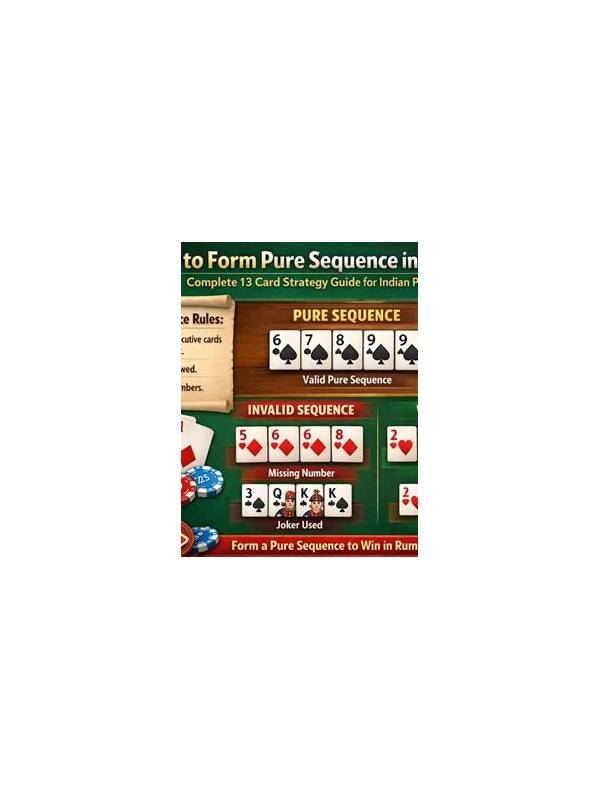
Rummy FAQ: Why Does Sequence Length Matter?
Understand how short and long sequences affect flexibility, legality, and the number of decisions left [...]
Rummy Safety: Read a Terms Change Before Your Next Session
Reviewing a terms change can clarify eligibility, fees, limits, and account procedures before you continue [...]