Rummy Comparison: Rank Focus Versus Suit Focus
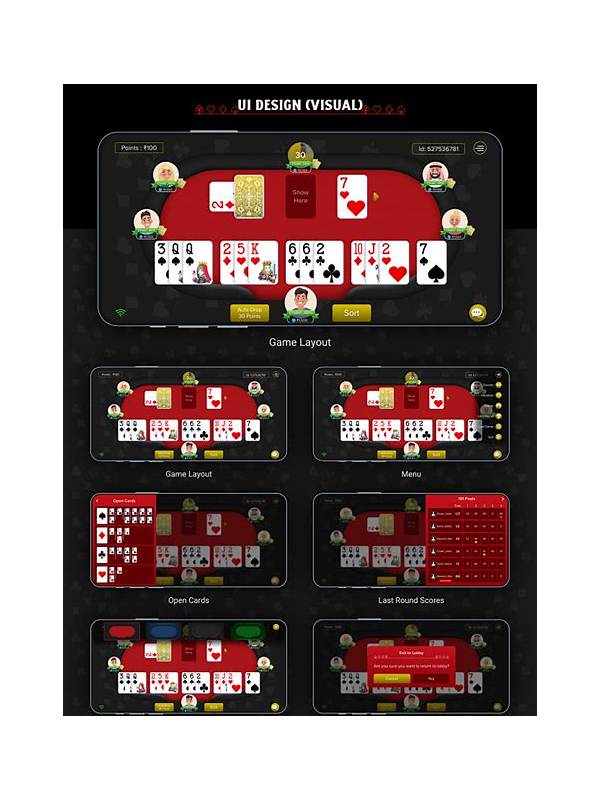
Players often sort a rummy hand in one preferred way. Some look first for repeated ranks and possible sets; others arrange suits to spot sequences. Neither view is complete on its own. Comparing rank focus with suit focus helps you avoid missing a strong route simply because your first arrangement made another route easier to see.
A rank-focused review groups cards such as three queens from different suits. It is useful for spotting sets, identifying duplicate cards, and noticing which ranks have several possible homes. Its weakness is that it can hide natural sequences. Cards that look unrelated by rank may be nearly connected when placed by suit.
A suit-focused review lays each suit in order. It makes gaps and extensions visible and is particularly helpful when you need a pure sequence. Its weakness is that a long-looking suit line may be a slow plan if it needs several exact cards. A tidy arrangement can create confidence that the actual draw support does not justify.
Use both reviews at the start of a hand and after a major draw. First, arrange by suit and mark complete groups, near groups, and isolated cards. Then rearrange mentally or physically by rank and repeat the exercise. Compare the number of plausible completions, the number of cards shared between routes, and the point cost of waiting.
When the two views disagree, prefer the route with more useful arrivals and fewer forced discards. If a rank group is complete but leaves a costly isolated card, a suit connection may still be worth preserving. If a suit line needs one exact card while a set can accept several copies, rank focus may be the safer choice.
This comparison is not about choosing a permanent style. Good hand reading is a change of viewpoint. A quick second arrangement takes little time and can reveal that your strongest plan was present all along, just obscured by the way the cards were first placed.
The comparison is also useful when a hand feels almost organized but no discard seems obvious. Switch views for one deliberate pass, then choose the arrangement that makes the next action easiest to explain. Do not keep rearranging indefinitely; the purpose is to expose candidates, not postpone a decision. With practice, you can perform the rank review mentally while cards remain sorted by suit. That saves time while preserving the benefit of checking both dimensions.
Related Post
Rummy Comparison: Practice Notes Versus Memory
Compare written rummy practice notes with memory to find a review method that improves future [...]
Rummy Screen Layout: Make Important Cards Easier to See
Rummy Screen Layout: Make Important Cards Easier to See offers practical guidance for clearer, safer, [...]