Rummy Comparison: Recounting the Hand or Rebuilding the Plan
A hand review can follow what happened or reconstruct what you could have done. Recounting is descriptive: it lists draws, discards, and group changes in order. Rebuilding is analytical: it tests alternative plans at selected decision points. Using the two methods for the right purpose makes review clearer.
Recount first when the sequence itself may be uncertain. Confirm the turn order, the cards visible in the open pile, and any reconnect or timer event. This is especially important in digital play, where a delayed screen can make an action seem to occur in a different order. A reliable timeline prevents analysis based on an incorrect memory.
Rebuild only after the facts are stable. Choose one or two junctions where the hand could reasonably have taken a different direction. List the actual action and one alternative that was legal with the information then available. Compare completion distance, penalty exposure, flexibility, and repair cost. Do not use later draws as if they were known in advance. The alternative should be judged by its structure, not by whether it would have received the winning card.
Recounting is valuable for habits such as delayed sorting, repeated pair holding, or ignoring a rule check. Rebuilding is valuable for trade-offs such as keeping a connector versus reducing a high card. If you rebuild every turn, the review may become speculative and exhausting. If you only recount, you may never test the choice that mattered most.
Finish with one forward-looking rule. It might be “check shared dependencies before keeping a second pair” or “set a deadline for a one-card route.” A good review ends with a testable behavior, not a verdict about luck. Recounting supplies the timeline; rebuilding supplies the experiment. Together they turn a completed hand into a focused lesson.
Use the method that matches the error you are investigating. If you forgot an important action or misordered turns, recount the hand. If you want to know whether another discard would have preserved more routes, rebuild one junction. Stop when the question is answered well enough to guide practice. A review should leave you with a manageable experiment, such as checking one alternative at the first major plan change, rather than a demand to analyze every hidden possibility.
Keep alternative plans within the information available at the time. If a hypothetical action depends on an unseen card or a private opponent detail, label that dependency and avoid treating it as known. This keeps rebuilding fair. The value of the exercise is learning how to choose under uncertainty, not discovering a perfect line after the result has already been revealed.
Related Post
How to Compare Two Rummy Plans Before You Commit
Compare competing meld plans by flexibility, cost, and the number of cards still needed. [...]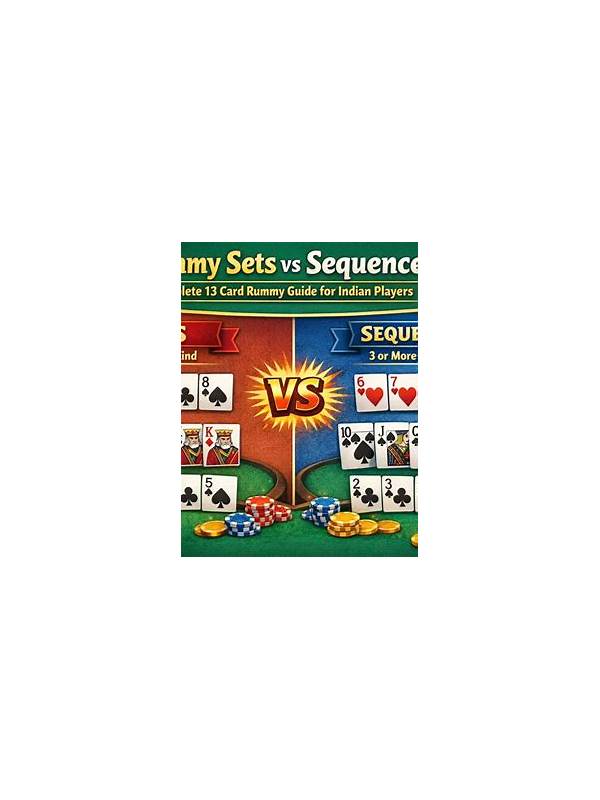
Rummy Sets Versus Sequences: A Decision Guide for Beginners
Compare sets and sequences by their role in a valid hand, not by which group [...]