Rummy Comparison: Scarce Cards and Repeated Cards
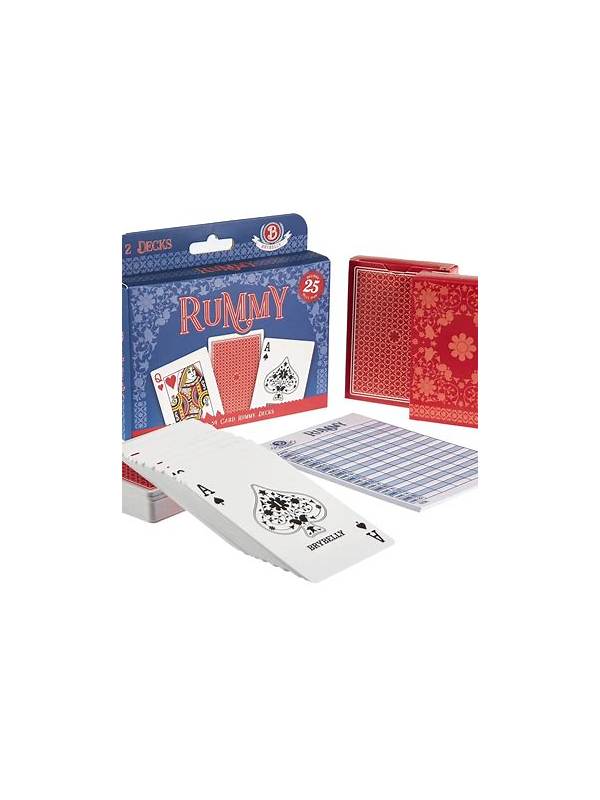
A rummy hand can feel familiar across formats while the probabilities are different. Single-deck and multi-deck games do not offer the same supply of matching ranks or sequence cards. Planning should therefore start with the rules and deck composition rather than importing assumptions from another table.
In a single-deck game, a specific card is scarcer. If a needed card is already visible in a discard pile, the chance of finding another copy may be very low or zero, depending on the target. This makes flexible connections and alternative routes especially valuable. You may need to abandon a set or sequence sooner when its exact requirement is no longer available.
With multiple decks, duplicate ranks may make sets more plausible, and a card that has appeared once is not necessarily exhausted. That does not mean every narrow plan is safe. You still need to account for the cards held by opponents and the format’s particular joker and declaration rules. More supply creates options, not certainty.
The discard pile also carries different information. In a single deck, one visible card can remove a unique possibility. In a multi-deck game, the same observation is weaker because copies may remain. In both formats, repeated visible cards are more meaningful than one isolated discard.
Compare the formats using three habits. First, learn what a completed legal hand must contain. Second, note whether duplicates remain realistically available. Third, adjust how long you keep a narrow draw. A plan that deserves two turns in a multi-deck format may deserve only one in a scarce single-deck situation.
Do not compare win rates without matching the rules, number of players, and scoring system. A format with more cards can produce longer, more complex turns, while a smaller deck may reward quick recognition. Practice each format separately and review the assumptions you made about availability.
The central lesson is simple: card value is a property of the hand and the deck together. Once you know the supply, your decisions become less dependent on vague familiarity and more responsive to the actual table. Player count matters as well. More opponents can consume useful cards and accelerate the information flow, regardless of deck size. Fewer opponents may leave a plan less exposed but give each action more interpretive weight. When learning a new format, change one variable at a time if possible. That makes it easier to tell whether your results came from deck composition, table size, or a genuinely better decision.
Related Post
Rummy Tips: Use a Recovery Plan After a Rule Mistake
A calm recovery plan limits the damage of a rule mistake and turns it into [...]
How to Compare Rummy Cards by Future Use
Looking at a card’s possible future roles can improve discard choices beyond simple point counting. [...]