Rummy Comparison: Short-Term Safety Versus Long-Term Potential
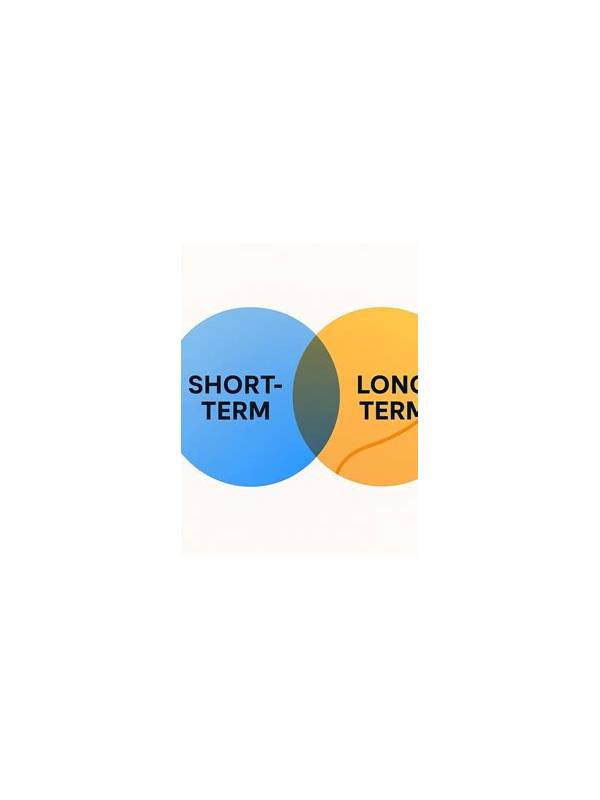
Many rummy decisions involve a trade-off between a safe improvement now and a more ambitious possibility later. A short-term safety move reduces penalty, uncertainty, or clutter immediately. A long-term potential move preserves a card that could create a stronger hand but may require several specific draws. Neither category is always correct; the right choice depends on timing and evidence.
Start by defining safety precisely. Discarding an isolated high card may reduce points, but it can also release a card that would have become useful. Keeping a flexible connector may preserve options, but it may leave you holding an expensive card beside it. Safety is not simply “the card I dislike.” It is the option with the more acceptable downside if the next draw fails.
Long-term potential deserves a similar test. Ask how many distinct cards can improve the plan, whether those cards are still plausible, and how many turns you can afford to wait. A plan that needs one of four cards may be healthier than a plan that needs one exact card, even if the exact card would finish a dramatic combination.
Timing changes the balance. Early in a hand, preserving a flexible route can be reasonable because there is room to recover. Later, a clear reduction in penalty may matter more than a narrow improvement. The table pace and visible discards also affect the calculation. Do not use the same preference on every turn.
When uncertain, write a two-line comparison: immediate benefit, failure cost. Then add one review trigger. For example, “Keep connector: two possible extensions, but high card remains; release if the next draw does not improve either route.” This makes the trade-off explicit and prevents optimism from hiding the cost.
Good judgment is not choosing safety or potential forever. It is knowing which one deserves priority now and when to change priorities. This comparison is useful even when the stakes are only practice points. Low-pressure practice lets you observe how often a narrow plan actually improves and how often a safe discard leaves better options. Keep the observations separate from your emotional reaction. A potential move can be reasonable even when it fails, and a safe move can be poor even when it happens to win. Use the idea as a prompt for comparison, not as a rigid rule. The cards, table rules, and timing still matter. If the next piece of information changes the balance, update the plan calmly and keep the explanation simple.
Related Post
Rummy How-To: Reset Your Hand Evaluation After a Surprise Draw
A short reset sequence helps you rebuild a plan when an unexpected card changes the [...]
Rummy Hand Sorting When Several Groups Overlap
A structured way to sort overlapping possibilities helps you avoid building too many plans at [...]